understand
An understanding the Market Landscape
In the constantly evolving world of beverages, a brand new one has emerged – alcohol-free spirits. These new drinks have gained significant traction in recent years, as increasing demand for non-alcoholic alternatives. In this thorough exploration this article, we’ll take a look at the spirit market that is alcohol-free, looking at the current state and future growth prospects in the EU and the UK. Don’t be afraid to join us on a journey through the exciting world of.
The soaring popularity of alcohol-free Spirits
The Numbers Don’t Lie
Let’s first take one moment to realize the immense size of this expanding market. It is evident that in both the EU and UK, the demand for spirits without alcohol has been exploding. As of 2022, the market was valued at an astounding X billion and experts believe it will continue to grow on a rising trend to reach a billion in 2025.
Consumer Preferences Redefined
What is the reason for this astronomical rise? The answer is largely in the changing preferences of consumers. Health-consciousness and a desire for less alcohol have pushed people to search for alternatives to traditional alcoholic drinks. Alcohol-free spirits are emerging as a clear winner in meeting the changing expectations.
A Peek into the Brands
In this crowded market, various companies have made huge progress. Brands such as “Spirito” or “Elixiria” have gained the market with their diverse assortment of alcohol-free spirits. Spirito’s aromatic botanical blends and Elixiria’s alcohol-free elixirs made of fruits household names, which is a testament to their ability to make compelling alternatives.
Navigating in the Regulatory Seas
The Rules of the Game
Before diving into deeper waters, it’s vital to navigate the regulatory waters that surround alcohol-free spirits. in the EU and UK these drinks have specific regulations which distinguish them from conventional alcohol drinks. Knowing these regulations is essential for companies in this industry.
Coding and Composition
One major aspect of regulation involves labeling and composition. Alcohol-free spirits must clearly indicate their alcohol content, which is typically below 0.5 percent ABV (alcohol as a volume). The compliance with these guidelines guarantees transparency and helps consumers make educated choices.
Marketing and branding
Also, the branding and marketing of alcohol-free spirits shouldn’t confuse consumers. The balance between presenting a product as an alternative to alcohol and also identifying it as a unique offering is vital.
After having a good grasp of the market landscape and regulatory complications, let’s move into the world of spirits that are alcohol free. In the following part, we’ll discuss some of the fascinating market trends as well as emerging patterns that are influencing this dynamic industry. Join us as we explore the world of health and wellness, the latest trends in innovation and the exciting future of alcohol-free spirits.
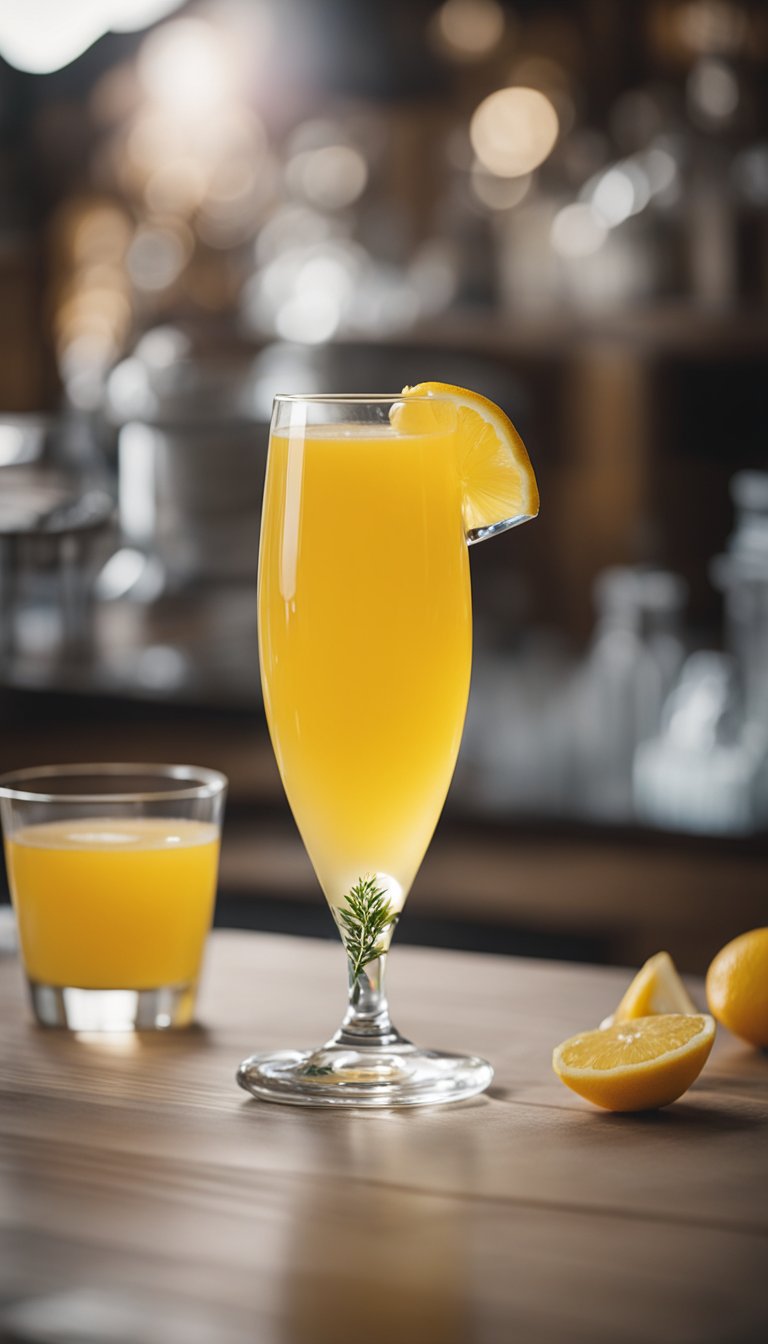
An Innovation Sip: Emerging Trends in the Alcohol Free Spirit Market
After having laid the base by understanding the liquor-free spirits market’s current status now, let’s focus our attention towards the future. In this section we’ll dive review of the new trends that are shaping and shaping the EU and UK industry of alcohol-free spirits. Make sure you buckle your seatbelts as embark on a journey through technological innovation, sustainability, as well as evolving consumer preferences.
Innovation is at the center of attention
Beyond the Mocktail
The days of boring mocktails have long passed. Perhaps one of the most notable trends in the alcohol-free spirit industry is the continuous in search of innovative ideas. There are brands pushing the limits of flavor profiles, using exotic botanicals, as well as using the most cutting-edge distillation techniques in order to make alcohol-free spirits that match their alcohol-based counterparts.
Aromatic Complexity
At the forefront of this are brands like “AromaCraft” along with “InfiniFlavor,” known for the unique flavors they offer. From the smoky aroma of aged whiskey, to the zesty infusion of gin-inspired spirits These spirits showcase the artistry of alcohol-free spirit crafting.
The Rising of Limited Editions
Another exciting dimension of innovation is the rising popularity of limited edition spirits that are alcohol-free. Brands are playing around with release dates, collaborating prominent mixologists, and including rare ingredients in order to create exciting and buzz-worthy products.
Sustainability and Eco-Conscious Choices
From Field to Bottle
As consumers are becoming more eco-conscious and conscious of their environmental footprint, sustainability has become a defining theme in the alcohol-free spirit market. Companies are placing an intense stress on responsible sourcing ingredients and packaging that is eco-friendly. “EcoSip” as well as “GreenHarvest” are prime examples of companies dedicated to sustainability. They utilize organic, responsibly sourced ingredients, as well as recyclable packaging.
Reducing carbon footprints
It is important to reduce carbon footprints as a necessity. Certain brands are adopting carbon-neutral manufacturing processes, offset emissions, and adopting environmentally ecological methods. These actions are appreciated by consumers seeking products aligned with their beliefs.
Meeting Diverse Consumer Needs
A Spectrum of Choices
One of the unique aspects of the alcohol-free spirit market is its capacity to satisfy a variety of customer needs. It’s not a one-size-fits all situation. Brands are aware that their customers have different preferences in their taste and dietary restrictions.
Sugar-Free and Gluten-Free and Beyond
Gluten-free, sugar-free, and alcohol-free without allergens are all over the market. Brands like “PureTaste” along with “FreeFlow” specialize in creating spirits that meet specific dietary requirements, ensuring that nobody is left out enjoying the alcohol-free taste.
When we travel through creative waters and study sustainability in the market for alcohol-free spirits it’s clear that this industry is rapidly changing in order to meet the demands of consumers. But it doesn’t end here. In the next installment we’ll take a look at consumer habits that are driving the course of this market. Take a look at the intricate details of consumer choices and their preferences.
Transform Your Inventory: Direct Orders of Swedish Distillers’ Non-Alcoholic Spirits!
Confronting Consumer Behavior: Understanding Consumer Preferences and Trends
As we’ve explored the ever-changing landscape of alcohol-free spirits, we’ve examined the marketplace’s current state and marveled at the new trending. Now it’s time to look at the primary driver behind this market’s change: the behavior of consumers. Knowing what consumers are looking for and the factors that influence their decision-making are crucial for brands trying to be successful at the top of EU and UK alcohol-free spirit markets.
The Multifaceted Consumer
The Health-conscious Consumer
One of the most noticeable trends in consumer behavior is the rise in awareness of health. Many consumers are opting for alcohol-free spirits as a way to enjoy drinks with a ritual without the detrimental health consequences of alcohol. People who drink these spirits are focusing on wellbeing for their physical and mental well-being. They tend to favor spirits that are made from natural ingredients and wellness benefits.
The Culinary Explorer
The market for alcohol-free spirits is also attracting culinary lovers who are enthralled by the art of mixing. They look for distinctive flavor profiles and distinctive herbal blends that will enhance their drinking experience. For them, alcohol-free spirits can be used as a backdrop for experimenting with cocktails in a creative way.
A Social Connector
As social creatures, human beings have a innate need to interact with others. The alcohol-free community has found some special status among those who wish to be a part of social gatherings and not have alcohol’s influence. This particular group appreciates the social aspect of drinking and the ability to enjoy stylish drinks without hangover.
Consumer Behavior Trends
Online Discovery and Purchasing
The digital revolution has altered the way consumers discover and purchase alcohol-free spirits. Online platforms, including e-commerce sites along with social networks play a crucial role in shaping the consumer’s choices. Companies that can effectively use online channels for marketing and the sale of their products are more likely to succeed.
Transparency, and Authenticity
Consumers expect transparency from brands. They want to know where ingredients originate and how the products are created, and the values the company’s brand embodies. An authentic brand and a commitment to environmentally sustainable practices are highly sought-after by the current generation of consumers.
The role in Reviews and Recommendations
Reviews and recommendations, whether from family members or online influencers can carry significant weight when it comes to the alcohol-free spirit market. Expert endorsements and positive testimonials can influence consumer decision-making. Brands need to actively engage their clients and encourage honest feedback.
Sustainability as an important driver
Sustainability is now no longer just a niche topic that is becoming a mainstay of consumer behaviour. Brands that are eco-friendly and display social responsibility are in a position to attract customers who are aligned with these values.
What’s ahead
As we navigate the complex market of consumer behavior trends It’s clear that the market for alcohol-free spirits is not just about what’s in the bottle but also about the experiences and values it embodies. In the next section, we’ll unveil the strategies and tactics that brands are using to meet various consumer demands. Prepare to learn the strategies that are bringing brands to the top in this competitive industry.
Crafting Success: Strategies for Brands that do not contain alcohol.
In the constantly evolving world of alcohol-free spirits, brands are creating success stories by understanding consumer behaviour and leveraging emerging trends. With consumers looking for cleaner, more advanced, and socially connected alternatives alcohol-free spirits must utilize the best strategies to stand out on the market. In this article we’ll look at the strategies that the most successful brands employ that will guide you on the route to success in the EU and UK alcohol-free spirit market.
Strategy 1: Diverse Flavor Profiles
Bold and Diverse Botanicals
The top brands invest in creating sophisticated flavor profiles that accommodate different preferences. They’re utilizing a diverse array of plant extracts, each selected for their distinct contribution to the overall experience. This means that customers are able to discover alcohol-free drinks that best suit their taste depending on whether they like something fruity and refreshing or a bit rich and spicy.
limited editions as well as seasonal releases
Exciting limited editions and seasonal releases generate anticipation and excitement among consumers. These releases can highlight inventive flavor combinations or showcase seasonal ingredients, offering customers with a reason to try something new.
Strategy 2: Collaborations and Mixology
Collaborations Mixologists
Collaborating with renowned mixologists is an effective method for brands. Mixologists can develop signature cocktails and recipes that highlight the distinctive flavors of alcohol-free spirits. Their expertise is a source of credibility for the brand, and opens the possibility of new ways to mixology.
Cocktail Recipe Collections
A number of alcohol-free spirits that are successful offer cocktail recipes. The collections encourage in consumers to think creatively and invite them explore different mixers, garnishes and style of presentation. Sharing these recipes through websites and social media increases the engagement of brands.
Strategy 3: Sustainable and eco-friendly Best Practices
Sustainable Sourcing
Brands are increasingly adopting sustainable practices, such as sourcing sustainable botanicals to reducing their carbon footprint. The public is drawn to brands which promote sustainability so sustainability becomes a vital selling feature.
Eco-Friendly Packaging
Eco-friendly packaging is another trend which resonates with eco-conscious consumers. Brands are looking into innovative ways to make packaging products recyclable, biodegradable or even reusable. Attractive, eco-friendly packaging can set a brand apart at the store and even in the minds of consumers.
Fourth Strategy: Engaging with Communities
Online Communities
Successful brands create online communities that let consumers communicate, share experiences and discuss ideas. These communities allow for consumers to discuss cocktail recipes, reviews, and creative ideas for using alcohol-free spirits.
Information from the consumer and
Brands are constantly seeking and responding to feedback from customers. This approach is a way for brands to improve their products such as flavors, scents, and strategies using real-world information. It also proves a commitment to satisfy the needs of customers.
Strategy 5: Innovative Marketing
Narrative and brand value
Effective storytelling helps brands communicate with customers on a more personal level. Brands are revealing their origins, values, and commitments to wellness and sustainability. They employ storytelling to communicate the authenticity of their brand and its personality.
Influcer Partnerships
Collaborations with influencers who align with the brand’s values and the target market can increase a brand’s reach. Influencers often create engaging video content that showcases brand’s products in the context of lifestyle.
What’s Next
While we explore the strategies that are driving success in the alcohol-free spirit market, it’s time to begin the last part of our investigation that will give us a glimpse into the future. In the next part we’ll examine the crystal ball and review the trends and predictions which will likely shape the EU and UK market for alcohol-free spirits in the years ahead.

The Future of Alcohol-Free Spirits Forecasts and Trends
As we conclude our journey around the world that’s alcohol-free, we look towards an horizon and look into the exciting predictions and trends that could transform both the EU and UK alcohol-free spirit market in the near future. The journey has been educational by guiding us through the various aspects of this industry that is growing since its inception, all the way through the strategies that leading companies are using to win. Let’s now embark on an exciting exploration.
The alcohol-free spirit revolution Keeps Going
Innovative Formulations
The alcohol-free spirit market will witness an explosion of creative formulations. Brands will push the limits and experiment with exotic botanicals and novel flavors and innovative methods to recreate the richness and complexity of alcoholic spirits. Expect to find spirits that surpass the traditional notions of a drink and appeal to the taste buds.
Health and Wellness Integration
A growing demand from consumers for well-being and health will spur the development of alcohol-free drinks which provide functional benefits. They will be infused in the form of adaptogens or vitamins, as well as other substances that promote health. These spirits do not only provide a better alternative to drinking alcohol, but also provide people who are looking for beverages that promote their health.
Personalized Experiences
Personalization is a central element. Brands will take advantage of technology to create customized alcohol-free spirit experiences. From customizable flavor profiles to the ability to request cocktail recommendations on demand, customers will be more in control of their beverages than ever before.
Sustainability is the focus
Circular Economy Practices
Sustainability will remain a key area of focus. Brands will employ circular economies, which ensures that production methods minimize waste and impact on the environment. Sourcing, production, and packaging will be designed with the environment in mind and will appeal the eco-conscious consumer.
Carbon-Neutral Spirits
The brands will commit to carbon neutrality. This means that they will offset carbon emissions produced during every phase of the life cycle of a product. Carbon neutral spirits will appeal to consumers who are concerned about climate change and conservation of the environment.
The Rise of E-Commerce and DTC Models
Direct-to-Consumer (DTC) Dominance
Electronic commerce and DTC models will continue to flourish. Spirit brands that are alcohol-free will invest in user-friendly platforms for online shopping, making it easier for shoppers to learn about, purchase and communicate with their products directly. The ease of DTC purchasing will propel markets to grow.
Virtual Tastes and Experiences
Virtual tastings and immersive virtual experiences on the internet will soon be standard. Brands will host virtual events that allow consumers to discover their products from your own own homes. These experiences will strengthen consumer interactions and boost brand loyalty.
Regulative Changes, Acceptance and Acceptance
Clearer Labeling Standards
Regulations bodies will develop explicit standards for labeling alcohol-free spirits. This will increase transparency, aiding consumers to make informed decisions. Standardized terminology can eliminate confusion regarding alcohol content.
Greater Acceptance
Alcohol-free spirits will see greater acceptance in restaurants, bars, and social settings. Mixologists will incorporate them into their menus, offering an array of non-alcoholic cocktails. The stigma surrounding abstaining on alcohol will fade.
A Recap of Our Journey
While we bring our tour to the EU and UK market for alcohol-free spirits to a close We’ll be taking a moment for a recap of the interesting experience we’ve enjoyed:
-
understanding the market The first step was gaining a comprehensive understanding of the alcohol-free spirit market as well as its past and its rapid expansion.
-
Designing Strategies for Success We looked into the strategies used by successful brands, which include many flavor profiles, collaborations on sustainability, engagement with communities and ingenuous marketing.
-
The Future is Waiting: In this article, we’ve looked in the crystal balls, exploring the future trends and forecasts that will determine the future of this ever-changing industry.
In the end I would say that this EU as well as the UK markets for spirits that do not contain alcohol are currently on an upward trajectory, driven by sustainability, innovation and shifting consumer preferences. Brands who embrace these trends and are able to adapt to changing trends can be successful in this exciting market.
Thank you for joining us for this trip. We are now entering the next phase of non-alcoholic spirits let your glasses be filled with the limitless possibilities that this industry offers.
Unlocking a booming growth rate: EU and UK Alcohol-Free Spirit Markets Soar Be sure to get in!
Section 1: The Current Landscape
In the world of drinks there is a subtle revolution underway, and it’s creating new ways to enjoy our beverages. The tradition of alcohol-based beverages dominating social gatherings experiencing a shift in the way we drink with a particular focus on countries like European Union (EU) and the United Kingdom (UK). Non-alcoholic or alcohol-free spirits are carving a niche for themselves in the market, and their trajectory for growth is simply amazing.
A booming market
The market for alcohol-free spirits in the EU and the UK has seen a rapid growth. Gone are the days when non-drinkers or those seeking healthier alternatives were confined to sparkling water or soft drinks with sugar. Today, an array of alcohol-free spirit fills the shelves of supermarkets and bars and caters to a discerning customer who demands elegance without drinking.
Growth and Market Trends
To understand the scope of this change, we’ll delve into some statistics. Recent market studies have shown an increase in the EU and UK alcohol-free spirit market will attain a value of [bold]a.X. billion [bold] after [bold]20XX[/bold]. The growth in this market is not an anomaly, but rather a reflection of evolving consumers’ preferences.
key players and their Contributions
The market’s ascent owes much to the trailblazing efforts of key players like [bold]Seedlip[/bold], [bold]Borrago[/bold], and [bold]Lyre’s[/bold], among others. These companies have elevated the art of creating spirits that are alcohol-free to new heights, crafting beverages that capture the essence of traditional spirits, but without the alcohol content.
Trends in Consumer Behavior and Brands Emerging
The growth of alcohol-free spirits is inextricably connected to the changing preferences of consumers. Today’s customers are more health-conscious, discerning, and socially conscious. They are looking for drinks that align with their beliefs, and alcohol-free spirits meet the criteria perfectly. In addition, consumers are searching for innovative, tasty alternatives to traditional alcoholic beverages.
In the wake of a surge in consumer demand in recent years, a myriad of new brands have appeared to take advantage of the expanding market. These brands are characterized with authenticity, innovation and a unshakeable commitment to quality.
Possible Possibilities
This rapid expansion, triggered by shifting consumer preferences opens up exciting opportunities for companies looking to tap this EU and UK drinks market, which is alcohol-free. The potential is huge but, in order to realize it efficiently, one needs to first know the driving forces behind this incredible change.
In the following part in the next section, we’ll analyze these driving forces, exploring the reasons behind the rise of alcohol-free spirits and what it means for companies trying to be successful in navigating this new landscape.
In Section 1 We’ve laid the groundwork by discussing the current state within the EU and UK the alcohol-free spirit market. We’ve looked at the market’s size important players, its structure and changes in the preferences of customers. In Section 2, we will investigate the main factors behind this market’s astounding growth.

What’s driving the massive Growth in the EU and UK alcohol-free spirit Market?
Section 2: Unveiling the Driving Forces
In our first article of the series, we embarked on an adventure through the rapidly growing world of alcohol-free spirits across Europe, the EU together with UK. The phenomenal growth in the market paints a clear picture of its potential, but what’s behind this evolution? In this section We’ll go deep into the driving factors that are behind this rapidly growing market.
1. Well-being and Health Trends
BoldHealth-conscious consumers are reconsidering their beverage choices. Bold Concerns regarding the negative effects of alcohol on health have prompted many to look for alternatives that allow them to have a drink while not compromising their well-being. Alcohol-free spirits are catering to the ever-growing population of drinkers by offering an appealing and healthier option. The terms “low ABV” (alcohol by volume) and “zero-proof” are now terms of the day in the health and wellness sector, indicating the significant shift in customer preference.
2. Social Dynamics are Changing Social Dynamics
As society evolves, so do our social dynamics. The traditional norms of drinking heavily as the basis of social gatherings are slowly disappearing. Nowadays, people prefer more diverse and inclusive events. Alcohol-free spirits let everyone enjoy the celebrations without feeling left out. They provide a sense being inclusive that is in line with modern culture of socializing.
3. The Rise of Mixology and Craft Cocktails
ItalicCraft cocktail culture has been sweeping the globe. Italic The technique of mixing drinks has developed beyond alcoholic beverages, with bartenders and enthusiasts exploring the endless possibilities for spirits that are alcohol-free. Innovative and delicious cocktails are crafted, challenging the definition of what a cocktail should be. The versatility of these spirits allows mixologists to play with a broad range of flavors, resulting in an explosion of novel non-alcoholic drinks.
4. Support for Regulation
Regulations and policies of the government have a major role to play in shaping industries. In recent times, regulatory institutions across the EU and the UK have demonstrated a willingness to allow and even encourage the growing popularity of alcohol-free spirits. This has included clearer regulations for labeling, allowing brands to provide more transparency regarding their ingredients and the benefits. These steps build trust with consumers.
5. Environmental and Ethical Concerns
The search for sustainability in consumption and ethical practices is no longer a fringe trend but an international trend. Alcohol-free spirits typically align with these goals. They are produced in a way that has a less negative environmental impact compared to traditional spirits and are usually vegan-friendly. Ethical practices in sourcing ingredients and fair trade guidelines boost their appeal.
6. Variation in taste preferences
The consumer’s palate has changed, seeking distinctive and varied flavour experiences. Alcohol-free spirits respond to this need with a broad array of options. From botanical-infused alternatives to alcohol-free whiskey that resembles the smoky flavors of the original, these spirits cater to high-end taste profiles. People aren’t willing to sacrifice flavor and alcohol-free spirits have taken to the task.
7. Marketing and Branding
Effective marketing and branding has played a significant role in raising awareness about alcohol-free spirits. Brands that successfully communicate their products’ high-quality, taste, and health benefits have thrived. Clever marketing campaigns and endorsements by celebrities have reached greater audiences, inciting curiosity and driving sales.
8. Accessibility
The accessibility to alcohol-free spirits has increased substantially. They are readily available at bars, restaurants, and in retail stores. Shopping online has also played a significant role in making these products accessible to consumers, regardless their locality.
9. Competitive Pricing
Since the demand has increased, the competition has increased. This has resulted in competitive prices, which makes alcohol-free spirits an affordable option for a broader range of consumers.
What’s Next?
We’ve seen that a myriad of factors are driving the explosive expansion of both the EU and UK market for alcohol-free spirits. In the next segment this article, we’ll go over the challenges and opportunities businesses can expect to face when they navigate through this shifting landscape.
In Section 2, we’ve revealed what drives the expansion of alcohol-free spirit in the EU and in the UK. Now, in Section 3, we will look at the challenges and opportunities that businesses in this industry are likely to encounter.
Exclusive Direct Wholesale: Swedish Distillers’ Premium Alcohol-Free Spirits Await!
Navigating the Challenges and Opportunities of the EU and UK Alcohol-Free Spirit Market
Third Section: Path Ahead
In the preceding sections we’ve discussed the impressive increase and the underlying forces that drive the EU and UK markets for alcohol-free liquor. The industry is on an upward trajectory However, what’s ahead? In this section we’ll explore the opportunities and challenges businesses in this market will likely to face.
Challenges
1. Hurdles in Regulatory Hurdles
While support for regulatory reform has been a key driver but, keeping up with the changing landscape of regulations is a major problem. Becoming compliant with the requirements for labeling and ensuring the responsible marketing of alcohol-free liquor is vital. Businesses must be on the lookout for regulatory updates.
2. Consumer Education
A lot of consumers are not familiar about alcohol-free spirits. Informing potential buyers about the benefits, flavors, and the variety of these products is vital. Brands must invest in marketing campaigns that highlight the worth of their products.
3. Competition
While the marketplace continues to grow there is a growing competition. Companies must be able to differentiate themselves and continually innovate to remain relevant. This can be done by developing new flavors, improving packaging, and exploring new distribution channels.
4. Scaling Production
To meet the growing need for non-alcoholic spirits can be difficult for smaller producers. Production scaling while maintaining quality is critical to keep current with the rapid growth in market.
5. Perceived Taste and Quality
The perception that alcohol-free spirits may lack the richness of flavor or high quality that is found in alcohol-based counterparts is a perpetual challenge. Brands need to invest in the research and development process to produce products that can compete with alcohol-based counterparts in flavor and quality.
Opportunities
1. Diverse Flavor Profiles
The demand for distinct flavors offers a huge chance. Brands can explore different and unique ingredients in order in order to create distinctive and appealing alcohol-free spirits.
2. Health and Wellness Focus
In the long run, staying in line with trends in wellness and health is an immense opportunity. Brands have the ability to leverage the benefits of alcohol-free spirits for health with a focus on calorie counts and fewer hangovers when it comes to their marketing strategies.
3. Mixology and collaborations
Collaborations with bars, restaurants and mixologists can help to introduce non-alcoholic spirits to a greater public. Brands may collaborate with experts in the creation of exciting and delicious cocktails that are not alcoholic.
4. Sustainability
Adopting sustainable and ethical the sourcing of products can be a effective selling point. Customers are becoming more interested in products that are in line with their ideals.
5. E-commerce and Direct-to-Consumer Sales
The growth of online shopping businesses can broaden their capabilities beyond traditional stores. Setting up a strong online presence and offering direct-to-consumer sales can be an important game changer.
What’s Next?
We’ve seen that the way ahead for businesses that operate in the EU and UK alcohol-free spirit market is filled with challenging opportunities and challenges. In the following section, we’ll examine strategies that will help you succeed in this ever-changing landscape by ensuring your brand is always ahead of the curve.
In the section 3 we’ve examined the potential and obstacles facing businesses operating in the EU in the EU and UK and the UK market of alcohol-free liquor. In Section 4 we’ll look at strategic strategies to stand out in this rapidly evolving industry.

Strategies to be Successful on the EU and UK Alcohol-Free Spirit Market
4. Understanding the Competitive Landscape
When the EU as well as the UK liquor-free market continue to expand It is crucial for businesses to be able to navigate the market efficiently. In this section we’ll look at strategies and best practices to ensure your brand’s success in this ever-changing and overcrowded market.
1. Product Innovation
In a marketplace that is overflowing with possibilities, innovation is your ally. Continue to study and develop new flavors and product lines that will entice consumers. Experiment with unique ingredients and blends that can set your company apart. Consider incorporating botanicals, herbs and exotic fruits to create unique distinct alcohol-free drinks.
Pro Tip Conduct surveys among consumers and gather feedback to understand consumer preferences as well as expectations. Use this data to tailor your product development efforts.
2. Brand Differentiation
Standing out in a competitive market requires a compelling brand story and a distinctive identity. Explain what makes your business distinct and the reasons why consumers should choose your alcohol-free spirits in preference to others. Highlight aspects such as your commitment to sustainability, quality and ethically sourced products.
Pro Tip Write a strong brand story that resonates with you target audience. Be sure to share stories about your company’s history, values, and the work that goes into your products.
3. Collaborations and Partnerships
Collaborations can give you a new outlook and expand your reach. Collaborations with bars, restaurants, and mixologists to create signature alcohol-free cocktails featuring your product. These partnerships can help introduce your brand’s image to a greater crowd and tap into the experience of professionals in the industry.
Professional Tip When working with partners, ensure that your brand values are in line with the values of your partners to create authentic and lasting connections.
4. Digital marketing and e-commerce
A strong online presence is a must in the current market. Spend money on a user-friendly website as well as optimize it for ecommerce. Make use of social media platforms to engage with your customers as well as share recipes for cocktails, and run targeted ad campaigns.
Pro Tips Utilize the data analytics tool to understand your online audience better. Create content and marketing strategies to cater to their preferences and behaviors.
5. Consumer Education
Enlightening the public about the benefits and benefits of alcohol-free spirits is pivotal. Create informative content via webinars, blogs, or social networks. Offer virtual tasting sessions to showcase your products. An educated consumer will be more likely to be able to appreciate how valuable your offerings.
Pro Tips: Develop FAQs and guides to answer questions asked by consumers frequently about spirits that are alcohol-free. Use these as resources to help consumers make informed choices.
6. Sustainability and ethical practices
Customers are becoming increasingly aware of the need for sustainability and ethical practices. Make sure you are sourcing ingredients ethically, reducing your carbon footprint and donating to charitable initiatives. Your commitment to sustainability should be highlighted when you promote your brand.
Pro Tip Use the opportunity to share your sustainability efforts openly on your site and social media. Transparency builds trust with consumers.
What’s In Store
In Section 4 we’ve covered the most important strategies to navigate the market’s competitive landscape. EU and UK alcohol-free spirit markets. But, the journey doesn’t stop at this point. In the next part we’ll discuss future growth strategies for the business and what the future holds for this flourishing industry.
After we wrap up Section 4, we’ll continue our examination of the EU and UK spirits market that are alcohol-free in Section 5. In the following segment, we’ll examine the long-term developments and growth opportunities that are shaping the industry.
Section 5: What’s to come for the EU and the UK Drinks that are Alcohol Free Market
The voyage through the vibrant industry of spirits that are alcohol-free within both the EU and UK closes with our final section. In this section, we’ll take a glimpse into the future of the industry and study possible growth trends in the coming years and emerging trends that are shaping the future in this fast-growing industry.
The Ever-Growing Market
As we’ve noted in the previous sections, the alcohol-free spirits market within the EU and UK has experienced exponential growth in recent years. The demand for sophisticated alcohol-free alternatives is no an ongoing trend, but an important shift in consumer preferences. This phenomenon is expected to continue its upward trajectory.
The key drivers of growth
A variety of factors are responsible for an ongoing growth in the market for spirits that are alcohol-free:
-
Health and Wellness As people become health-conscious, they seek alternatives that let them drink mixed drinks and cocktails but without the negative side effects associated with alcohol.
-
Innovative Product Offerings: The market will witness an influx of constantly changing and diverse alcohol-free spirit brands. Brands will test novel flavor profiles, ingredients, and production methods.
-
Mixology Culture: The rise of mixology culture as well as craft cocktail culture is increasing the demand to buy high-end alcohol-free spirits. Mixologists and bartenders make complex, non-alcoholic concoctions that are popularizing these products.
-
Sustainability: Sustainable and ethical practices are increasing in importance. Brands that emphasize sustainability in packaging, ingredient source, and manufacturing will probably increase their competitive edge.
Consumer Education and Awareness
In the near future, the market for alcohol-free spirits is dependent on education of the consumer. As more and more consumers become aware of the choices available, they’ll want to know about the best ways to use spirits without alcohol in cocktails, incorporate them into food and integrate them into their lives.
FAQs on Alcohol-Free Spirits
Q1 Does alcohol-free spirit really alcohol-free?
A1: Alcohol-free spirits have no or extremely little alcohol, often less than 0.5 percent ABV (alcohol by volume). This means they are safe for consumption without the alcohol-related effects that are present in alcoholic beverages.
Q2: How do I make alcohol-free spirits work within cocktails?
A2 Alcohol-free spirits are able to be used to make base cocktails, much like traditional spirits. They’re great for classic cocktails such as Mojitos, Cosmopolitans, and Negronis. The idea of experimentation is encouraged in order to make unique drinks that are not alcoholic.
Q3 Do alcohol-free spirits smell like their alcoholic counterparts?
A3 Most alcohol-free spirits strive to imitate the taste traditionally distilled spirits. While some can be quite similar however, the taste of different brands and the products. It’s a good idea to research different choices to discover the flavor that you love.
Aspects of the Role of Technology
Technology will play an important aspect in the future of the industry. E-commerce and online sales are expected to continue growing providing consumers with a convenient alternative to drink alcohol-free. Digital tasting, brands experiences, and personalized recommendations powered by AI can increase customer satisfaction.
Conclusion: A Strong Future
Within this series we’ve traversed the dynamic and varied landscape and complexities of EU and UK market for alcohol-free spirits. From its beginnings and the history to product innovation, market strategies, as well as the marketplace, we’ve revealed the details of this expanding market.
After this research, it’s obvious that the market for alcohol-free spirits is not just a fashion but a new paradigm that’s changing how we think about and consume alcohol. With a commitment to quality sustainable, innovation, and education for consumers Brands can flourish on the horizon of this new market.
Thank you for coming along for this voyage through the world that’s alcohol-free. It doesn’t matter if you’re a manufacturer looking to create a mark or a person looking for unique alternative options that satisfy the future is filled with a plenty of opportunities in this vibrant business.
We hope you’ve found this series useful and inspirational. We’re looking forward for the future of alcohol-free spirits in the EU and UK!