alcohol-free liquor
The embrace of the Alcohol-Free Cocktail Movement
In recent time, there has been a significant shift in method of celebrations and social gatherings, particularly in Europe. The days of alcohol-driven parties have slowly given way to an inclusive and healthy movement – the rise in alcohol-free cocktails. In this introduction we’ll examine the causes behind the rise in popularity of alcohol-free cocktails and why they’re increasingly becoming the talk of the town.
The shifting Landscape of Cocktail Beverages
Traditionally, alcoholic drinks have been the center of all celebrations that range from birthdays to weddings and everything in between. However, a dramatic change in society’s consciousness has led to a shift in this prevailing paradigm. The people are looking for alternatives to take pleasure in the conviviality of a drink, without drinking alcohol.
Health and Wellness
One of the main factors for this shift is the growing emphasis on being healthy and well. In the present day world of health and wellness we are all more aware of the negative effects of excessive consumption of alcohol on their health. Alcohol-free cocktails are a great way to enjoy the pleasures of well-crafted drinks without the negative health consequences.
Inclusivity
Alcohol-free cocktails are also thought of as an inclusive choice for gatherings. They allow hosts to accommodate a wider array of guests, such as those who are unable to use alcohol for drinking, designated drivers, and those with dietary restrictions. This is a way to create a feeling of community and makes sure that everyone feels welcome and relaxed in the gathering.
Creative Freedom
Another aspect that contributes to the popularity of alcohol-free cocktails is the creativity and freedom they provide. Mixologists and bartenders in the home are accepting the challenge of creating delicious and complex alcohol-free cocktails. This unique aspect provides an interesting dimension to the planning of parties and drink preparation.
The Appeal of Alcohol-Free Cocktails
These drinks that are alcohol-free aren’t just an occasional gesture at parties These drinks are fast becoming the center of attention. Their appeal lies in their ability to recreate the distinct flavors and aesthetics of traditional drinks without the euphoric effects. Let’s review some key features of their appeal:
Flavor Complexity
Cocktails that are alcohol-free are not plain fruit juices. They often incorporate a variety of juices, syrups, herbs, and spices to produce complex flavour profiles. From zesty citrus blends to herbal delights, world of non-alcoholic mixers is brimming with enthralling possibilities.
Visual Elegance
In terms of presentation, alcohol-free cocktails are top of the line in this respect. Like alcohol-based ones their drinks are garnished with sophistication. The vibrant fruit slices, the colorful herbs, and precisely placed ice cubes turn a simple glass into a art piece.
Moderation and Sobriety
For some, the appeal of alcohol-free drinks lies in the ability to enjoy the social aspects of drinking alcohol without the risk of overindulgence. This moderation will ensure that the party remains lively and enjoyable, while guests can stay attentive and focused throughout.
Experimentation and Innovation
The creation of alcohol-free cocktails is an exciting and exciting process. Mixologists are constantly testing new ingredients and techniques to extend the boundaries of what’s possible in the world of non-alcoholic drinks. The constant quest for new ideas keeps the trends fresh and exciting.
As we’ve seen that the movement to drink alcohol-free isn’t just a temporary fad; it’s a reflection of the changing attitude towards wellbeing, inclusion, health and creativity in social gatherings. In the following section we’ll explore all the ingredients and techniques you’ll need on your journey into the world of making these tasty drinks.
Direct to Market Excellence: Order Bulk Non-Alcoholic Spirits from Swedish Distillers Now!
Essential ingredients and tools for crafting Alcohol-Free Cocktails
After we’ve examined the increasing appeal and popularity of alcohol-free drinks in the previous section, we’re ready to roll up our sleeves and dive into the world of mixology. Making amazing alcohol-free cocktails requires an appropriate mixology recipe and tools and, in this article we’ll discuss the basic tools that any aspiring mixologist must have on hand.
1. The Fundamental Ingredients
Fruit Juices
Fruit juices make up the main ingredient of many alcohol-free cocktail recipes. Citrus juices like orange lime, and lemon offer this zesty kick. fruit juices such cranberry or pineapple, and pomegranate add depth and sweetness. You should have a wide selection of fruit juices fresh available.
Sweeteners and syrups
To balance flavors and enhance sweetness, syrups such as basic syrups, honey syrup, and grenadine are indispensable. There is also the option of using the addition of flavoring syrups like vanilla and lavender to add a distinct twist.
Herbs and Spices
Fresh herbs such as mint, basil and rosemary will enhance your cocktails with their aromatic flavor. Spices such as cinnamon, cloves, and nutmeg are excellent for crafting warm and comforting drinks that are alcohol-free.
Soda Water as well Tonic Water
These carbonated mixers create the effervescence typical of numerous drinks. Soda water is a versatile base for various drinks, while tonic water is an essential ingredient to make classic drinks like drinks like the Virgin G&T.
Astringents as well as Aromatics
Bitters give depth and variety to cocktails that are alcohol-free. The options like Angostura bitters or aromatic bitters can change an unassuming drink into sophisticated cocktail.
2. Fresh Ingredients
Fresh Fruits and Berries
Garnishing your drinks with fresh berries and fruits not just adds visual appeal but also provides the drinks with natural flavors. Limes, lemons, and blueberries are popular selections.
Herbs and Edible Flowers
Fresh herbs like basil, mint as well as thyme, can be placed in a muddle or as garnishes, adding aromatic notes to your drinks. Flowers that are edible like pansies or violets can help make your cocktails more Instagram-worthy.
Citrus Zest
The zest of citrus fruits (peel without pith) can be used to garnish or for rims on cocktails glasses. It will add a blast of citrus aroma and flavor to your dishes.
3. Specialized Tools
Cocktail Shaker
A cocktail shaker can be a must for mixing and chilling your ingredients. It’s versatile and can be used to shake or stirring, based on the recipe.
Muddler
This tool is great to crush herbs, fruit, or sugar cubes for releasing their flavours. It’s a must for making mojitos and other similar drinks.
Jiggers or other Measuring Instruments
Precise measurements are crucial in mixing. A jigger or measuring tools will guarantee that your cocktails are balanced and consistent.
Strainer
A strainer is helpful for filtering out herbs or ice when pouring your cocktails into glasses. It helps ensure a smooth and uncluttered drink.
Citrus Juicer and Zester
Cocktails that require freshly squeezed citrus or fresh zest dedicated juicers and zesters offer efficiency and accuracy.
4. Glassware and Presentation
Cocktail Glasses
Invest in a variety of cocktail glasses, including rocks, highballs, and coupe glasses. The different cocktails shine in various styles of glassware.
Bar Spoons as well Stirrers
Long-handled bar spoons are utilized for stirring cocktails. stirrers that feature decorative ends may double as tools for garnishing.
Ice Cube Trays and Molds
Look into investing in unique ice molds or cube trays that can give a visually appealing new twist to your cocktails such as spherical ice for whiskey-inspired drinks.
With our mixology tools, you’re well on your way to crafting delightful alcohol-free cocktails to serve at your next event. In the next part we’ll apply these ingredients together, as well as the tools needed to look into some classic and unique cocktail recipes that won’t be alcoholic to impress your guests.
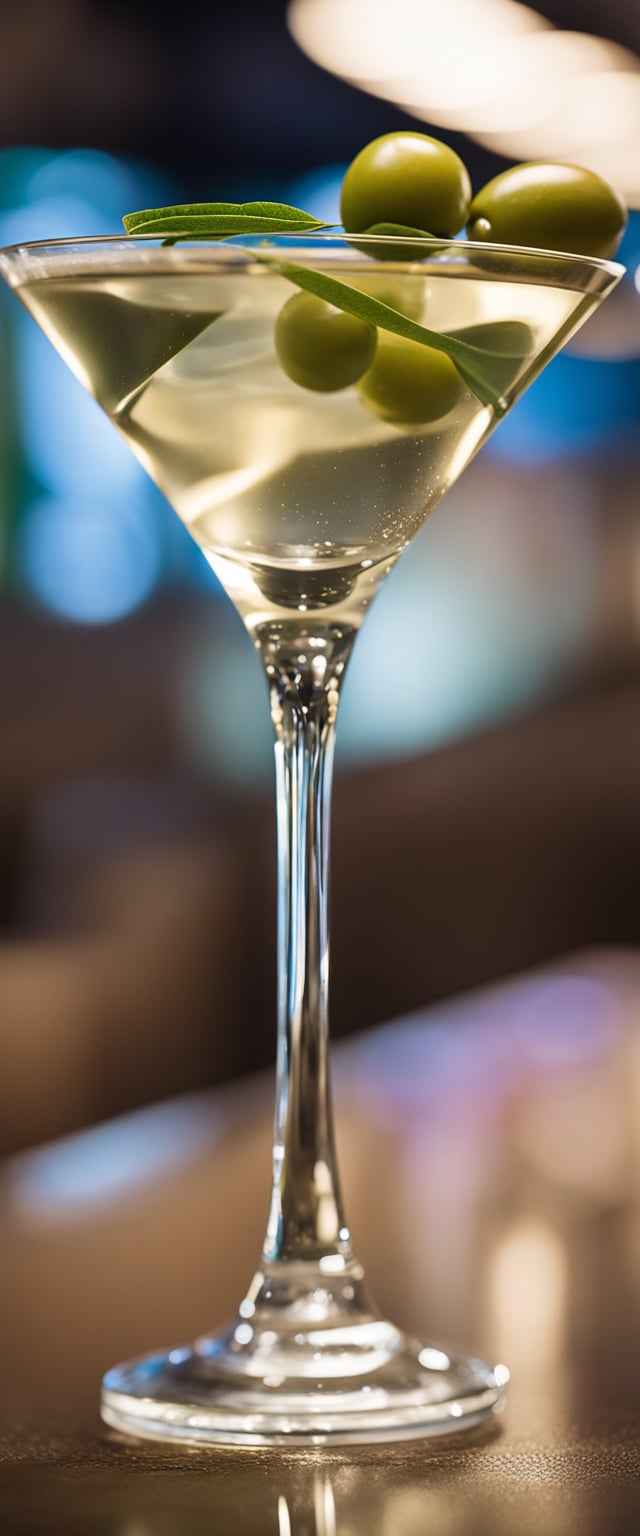
Classic Cocktail Recipes that are Alcohol-Free to Master
In the previous chapters, we’ve delved into the fascinating world of alcohol-free cocktails, explored the key ingredients and methods, and even talked about how to garnish. Now it’s time to roll up our sleeves and mix. In this article we’ll share several classic cocktail recipes that every mixologist who is aspiring should keep in their recipe book. When you’re planning a party or simply want to enjoy refreshing beverages, these timeless recipes will impress your guests, and will delight your taste buds.
1. Virgin Mojito
-
Ingredients:
- 2 oz (60 ml) fresh lime juice
- 2 teaspoons sugar
- A handful of fresh mint leaves
- Soda water
- Ice cubes
-
Instructions:
- Pour the drink into a glass and mix the sugar and mint leaves to release the mint’s aroma.
- Incorporate the fresh lime juice and the ice cubes.
- Fill the soda water with and gently stir.
- Garnish with a sprig mint and a lime wheel.
It’s a classic drink. Virgin Mojito is a classic choice for those seeking a refreshing, zesty drink with a hint of sweetness. It’s the ideal drink for thirsty people on any day that is sunny.
2. Shirley Temple
-
Ingredients:
- 4 oz (120 ml) ginger ale
- 2 oz (60 ml) grenadine syrup
- A maraschino cherry
- Ice cubes
-
Instructions:
- Fill a glass with ice cubes.
- Incorporate the ginger ale and grenadine syrup.
- Combine gently.
- Sprinkle with the maraschino cherry.
The Shirley Temple is a delightful and fizzy drink that is loved by people of all ages. Its sweet and refreshing flavors make it an ideal drink for any occasion.
3. Virgin PiA+-a Colada
-
Ingredients:
- 2 oz (60 ml) pineapple juice
- 2 oz (60 ml) coconut cream
- 1 oz (30 ml) coconut milk
- 1 cup crushed 1 cup ice
- Maraschino cherry wedge and Pineapple wedge to garnish
-
Instructions:
- In a blender, combine the juice of pineapple with coconut cream, coconut milk, plus crushed and ice.
- Blend until smooth and smooth and.
- Pour the cocktail into a chilled glass.
- Garnish with a slice of pineapple and maraschino cherries.
Imagine yourself in a tropical island with this delicious Virgin PiA+ Colada. It’s sweet, creamy, and deliciously sweet.
4. Virgin Mary (Virgin Bloody Mary)
-
Ingredients:
- 4 oz (120 ml) tomato juice
- 1/2 oz (15 ml) fresh lemon juice
- A pinch of black pepper
- A pinch of hot sauce (adjust to taste)
- A celery stick as well as a lemon wedge to garnish
- Ice cubes
-
Instructions:
- Fill a glass up with ice cubes.
- Pour in the tomato juice and freshly squeezed lemon juice.
- Spice up your dishes with hot sauce and black pepper.
- Stir well.
- Make sure to garnish with a celery stick and lemon wedge.
The Virgin Mary is a savory and spicy delight. It’s perfect for folks who love a bit of spice in their cocktails, but without the alcohol.
5. Virgin Mojito
-
Ingredients:
- 2 oz (60 ml) fresh lime juice
- 2 teaspoons sugar
- A handful of mint leaves
- Soda water
- Ice cubes
-
Instructions:
- A glass is the best way to muddle the mint leaves and sugar to release the mint’s fragrance.
- Include the lime juice of fresh and the ice cubes.
- Then top off with soda water and stir gently.
- Garnish with a little mint and a lime wheel.
The Virgin Mojito is a classic option for those looking for an easy-going drink with a hint of sweetness. It’s the ideal drink to quench thirst on an edgy day.
These classic alcohol-free cocktails aren’t just delicious but are also extremely versatile. They’re also a canvas for your creativity that lets you play with different options for garnishes and styles of presentation. In the next section we’ll explore some imaginative and unique alcohol-free cocktail recipes that will enhance your mixology game to the next level.
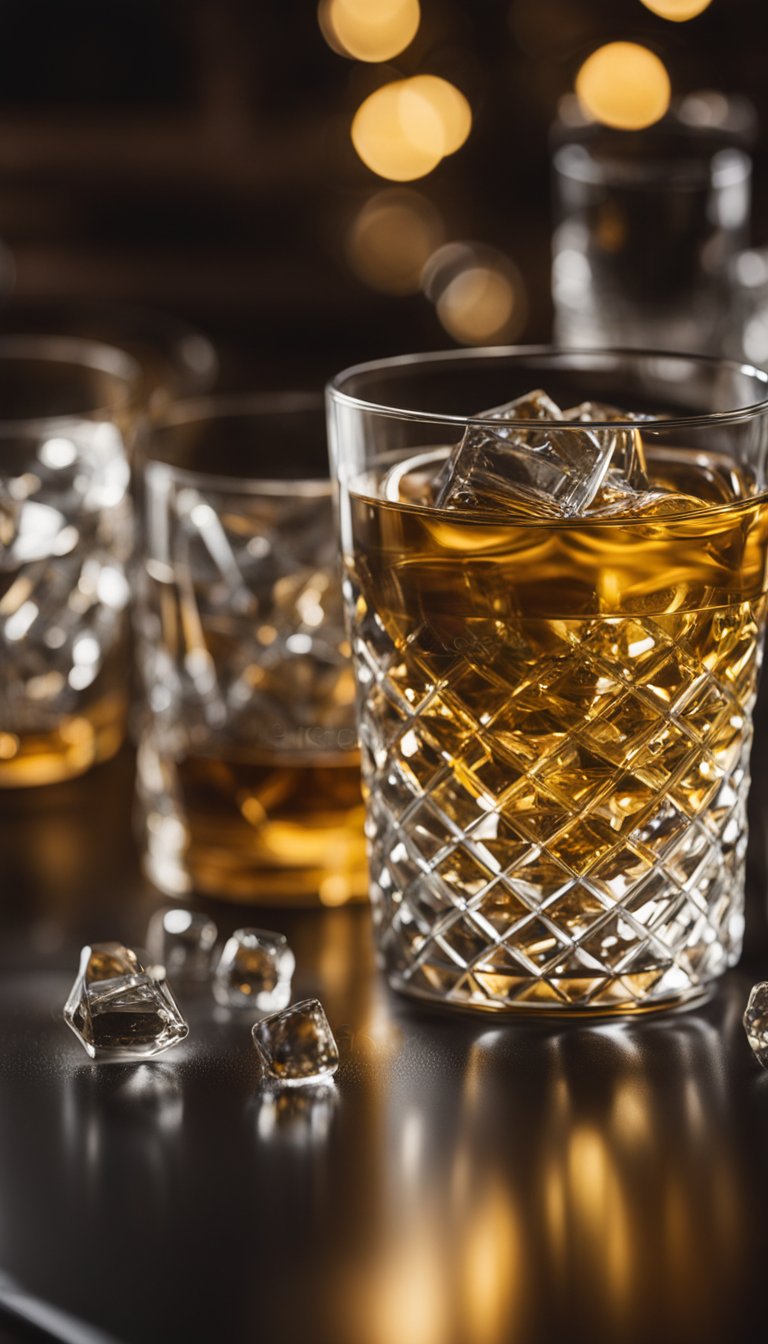
Mastering the Art of Mixology that is Alcohol-Free Mixology
On our way through the world of alcohol-free cocktails, we’ve learnt about the fundamental ingredients, the tools of the trade, recipes from the past, and innovative cocktails. Now, it’s time increase your knowledge and achieve mastery of mixology that is alcohol-free. In this section, we’ll explore the latest methods, presentation techniques, as well as insider tips that will make your non-alcoholic beverages ordinary to extraordinary.
1. Infusing Flavors
-
bottles for infusion: Look into investing an infusion bottle or jar. These allow you to infuse various flavors into your cocktails, ranging from herbs to spices to fruits and vegetables. Simply add your favorite ingredients then let them meld together to create an interesting twist on traditional recipes.
-
Cold Brewed Tea: Cold-brewed teas can add more depth and complexity to your drinks. Explore different tea types like hibiscus, chamomile or earl grey. Use them as a base or flavor enhancers for your drinks.
2. This is the Art of Layering
-
Tool for Layering: for stunning cocktail layered drinks, get the bar tools, such as a spoon with a spiral handle and a steady grip. Slowly pour the ingredients over to the back of the spoon to create distinct layers.
-
Density Is Important: Make sure you know the density of your ingredients. Heavy ingredients, like syrups, should be placed at the bottom while lighter ingredients such as juices, or soda, should be placed on top.
3. Smoke and Mirrors
-
Smoking Gun: To add a hint of mystery and depth to your cocktails, try a smoking gun. The smoking gun infuses your beverages with aromatic smoke. Play around with various wood chips or herbs for unique tastes.
-
Glass Smoking: For a simpler method, you can smoke the glass by itself. Cover the glass with a coaster or lid and let smoke in under. When you take off the cover you will be presented with a scent of smoke.
4. Garnish with Flair
-
Food-grade Flowers These edible blooms like pansies, violets or Nasturtiums look gorgeous but also add subtle, floral notes to your drinks. Be sure that they are free of pesticides and safe for consumption.
-
Citrus Zest: Increase your garnishing skill by using citrus zest creatively. Use long, spiraled twisted twists of orange or lemon peel to give a blast of citrus flavor to your drinks.
5. The Mocktail Menu
-
Create a Mocktail Menu: If you’re hosting an event or gathering try creating a mocktail menu. Give a variety of alcohol-free alternatives, from fruity and sweet to herbal and savory in order to accommodate a wide range of tastes.
-
Custom-designed creations: Encourage guests to create their own custom mocktails by providing a wide range of ingredients, garnishes and glassware. This adds a dynamic and personal touch to your party.
Incorporating these techniques and presentation strategies to your alcohol-free mixology collection, you’ll be well on your way to becoming an expert mixologist. In the closing part of our trip, we’ll conclude our exploration of the world of alcohol-free cocktails and offer some parting thoughts and resources to continue your cocktail-making adventure.
The Culmination of Non-Alcoholic Mixology: Crafting the perfect Mocktail Experience
We’re wrapping up our exploration of non-alcoholic mixology into a journey which has led you from the basic concepts of ingredients and equipment in order to master the art, and innovation when it comes to alcohol-free cocktails. In this last part, we’ll conclude our journey by putting the elements together to create the perfect mocktail experience.
1. It’s the Art of Balance
Creating memorable mocktails starts by following a fundamental premise: balance. The harmonious interaction between flavors scents, textures, and flavors is what makes amazing alcohol-free beverages. Here’s how you can achieve it:
-
Sweet and Sour: Find a balance between sweets like syrups or juices, with acidic elements, such as citrus juices or vinegar. The contrast between sweet and sour provides an underlying complexity and depth to your mocktail.
-
Bitterness and herbal notes: Try experimenting with bitters, herbs, infusions of herbal essences, and aromatic garnishes like rosemary or thyme. These components can add a added sophistication to your drinks.
2. A Personalized Mocktail Experience
One of the great benefits of mixology that doesn’t contain alcohol is the capability to tailor a unique mixology experience for you as well as your guests. Here are some ideas to think about:
-
Mocktail Stations: If you’re hosting a celebration, make mocktail stations that include a variety of ingredients and garnishes. Let guests create their own signature mocktails making them more creative and engaging.
-
Customized Mocktails Discover your guests’ preferences and make custom mocktails based on their preferences. It’s an thoughtful gesture that makes you feel a part of their experience.
3. Elevating Presentation
Presentation matters, and it is possible to transform a common drink into a work of art. Look at these presentation ideas:
-
Glassware Matters: Choose glassware that matches the design that you want to present in your cocktail. Highball glasses with tall sides coupe glasses for elegant drinks, or mason jars to add an elegant touch.
-
Garnish with care: Pay attention to garnishing techniques. Be it a perfectly curled citrus twist or meticulously placed herb, the garnish must help to enhance the overall look of the mocktail.
4. The Mocktail Menu
Making a mocktail menu can be a delightful experience. It’s a great opportunity to show your imagination and present a diverse range of drinks that are alcohol free. Here’s how to make an appealing menu
-
Variety There are a myriad of cocktails available from classic beverages to creative cocktails. Offer a variety of options for different tastes like herbal, fruity, or tasty mocktails.
-
Descriptions: Provide engaging description for each mocktail listed on the menu. Use vivid language that evokes the aromas and flavors of each, helping your guests make well-informed choices.
Final: A toast to the Mastery of Your Mocktail
Congratulations! You’ve conquered the realm of non-alcoholic mixology from getting the basics down to advanced techniques and presentation. As you continue your journey, you must remember that the art of creating alcohol-free cocktails is an amalgamation of precision, creativity, and a keen appreciation of flavor.
We’ve covered everything from the most important ingredients to techniques for layering as well as infusion techniques, as well as an important role for garnish. You’ve learned how to balance flavors, personalize experiences, and boost presentation. Now, it’s time to make use of your knowledge and begin yourself on your own mocktail adventure.
It doesn’t matter if you’re hosting an event or creating a special mocktail for a loved one, or simply enjoying a well-deserved treat for yourself, your mocktail mastery guarantees every sip an absolute delight.
Thank you for joining us for this thrilling journey into non-alcoholic mixology. Be sure to continue to experiment, create and enjoy the nuances of your imagination. The world of mocktails is yours to explore The journey you are on is just beginning.
We hope that you’ve found our five-part article series educational and inspirational. If you missed any of these articles, or you want to revisit particular topics, this article will help you:
- The Basics of Alcohol-Free Mixology: The complete guide to essential ingredients and equipment to create mocktails.
- Mastering the Art of Mocktail Presentation: Techniques for making your mocktails look stunning and attractive.
- Innovative mocktail recipes: Creative recipes that make your mocktails more appealing.
- Mocktail Insider Secrets Advanced techniques and tips to improve your mocktails and take them to the next level.
- The culmination of Non-Alcoholic Mixology: Making the perfect mocktail and where we are today.
We wish you all the best for your future fun with mocktails. Cheers to the delightful world of alcohol-free mixology!
An Introduction to Alcohol Free Spirits to be used in Mixology
Mixology The Art of Making Exceptional Cocktails
With the advent of beverages and cocktails, mixology is rising to be an art form that’s been praised for its originality, creativity as well as the sheer joy that it gives to the senses. There’s a fresh twist to this story aEUR” an exciting trend that’s changing the landscape for mixologists as well as drink lovers as well: the use of alcohol-free spirits.
In this initial part of our journey into the world of alcohol-free spirits to use in mixology in this article, we’ll talk about this new trend, and the reasons why it’s important. Take a look at the realm of sophisticated mixology that is alcohol-free and discover why it’s drawing an interest from bartenders and people who love to cook around the world.
The rise of alcohol-free Mixology
In recent years, the world of mixology is experiencing a transformation. It is long gone are the days where the word “good cocktail” had been synonymous with alcohol. Mixologists, renowned for their proficiency with spirits and liqueurs. Now they have turned their focus to creating delicious cocktail recipes that are alcohol free.
Why the shift?
-
Health and Wellness: With an increasing emphasis on health and wellness numerous people are searching for alternatives to traditional drinks like alcoholic. Mixology that is alcohol-free allows you to drink exceptional drinks with out adding alcohol to your drink.
-
Inclusion Alcohol-free cocktails provide the option of a drink that is accessible to those who don’t consume alcohol and ensure that everyone at the bar, or at a gathering, can enjoy a delicious drink that is tailored to their individual tastes.
-
Awakening the Creative Spirit Mixologists have embraced the challenge of developing complex and complex flavors without the alcohol. This has resulted in an increase in innovative recipes and distinctive blends of ingredients.
Making Spectacular Drinks with no Alcohol
Mixology isn’t about just making drinks; it’s about crafting memorable experiences. Mixologists who drink alcohol-free spirits are reinventing what is possible. Even if you’re a skilled bartender or an avid home shopper this new trend opens the door for a plethora of possibilities.
What You Are Going to Expect to learn about in this article:
- The range of spirits with no alcohol.
- Understanding the ingredients which make these spirits so magical.
- Learning how to create flavorful and balanced drinks that don’t contain alcohol.
- Discovering presentation techniques that will elevate you in your blendology skills.
- Enjoying the pleasure of mixology with friends and family.
Now that you’ve seen a glimpse of the world that is made up of alcohol-free mixology we’re ready to go into the deeper end. In the next part we’ll take a look at what is alcohol-free spirit and the options to create the perfect alcohol free cocktail. We’re off to explore this world of flavor and imagination!
[Next up: Section 2: Exploring the World of Alcohol-Free Spirits[Next up: Section 2: Exploring the World of Alcohol-Free Spirits
Are you eager to discover all the possibilities and ingredients which will change your mixing game? Let’s get into the intriguing world of alcohol-free spirits and start making exceptional cocktails like nothing before!
Direct From Source to Success: Boost Your Inventory with Swedish Distillers’ Non-Alcoholic Spirits!
Entertaining the world of alcohol-free Spirits
The Secret Ingredients of Alcohol-Free Spirits
In our pursuit to master the art of alcohol-free mixology knowing the essence and soul behind these exciting drinks is essential. In this section, we’ll embark on exploring these spirits without alcohol. We’ll discover what they are and how they operate their magic.
What are alcohol-free drinks?
Alcohol-free spirits are often referred to being alcohol-free spirits are drinks that are ingenuous that are designed to imitate the taste complex, aromas, and flavor of traditional alcoholic spirits like whiskey, gin and Rum. What separates these spirits is their minuscule alcohol, which makes these spirits a great and exciting alternative for those who would prefer not to drink alcohol.
Important Features of Alcohol-Free Spirits:
-
Do not include Alcohol Spirits that are No Alcohol contain very little or no alcohol generally less than 0.5% ABV (alcohol via volume) and allow consumers to indulge in the flavour of spirits but without the intoxicating effects.
-
complex flavor profiles: Craftsmen and mixologists have worked hard to recreate the unique flavor profiles you find in alcohol-based spirits. It includes botanicals of spirits like gin and the smokiness that comes from whiskey, and the spice of Rum.
-
Versatility Alcohol-free spirits could be used as a foundation for making a range of non-alcoholic cocktails, usually referred to as mocktails.
-
All-inclusive The Inclusive program is designed to appeal to the diverse crowd, offering an inclusive solution for those who do not drink alcohol because of personal choice medical reasons or designated drivers who want to have fun.
The Widespread of Alcohol-Free Options
Similar to the vast assortment of alcohol-based beverages to pick from, the world of alcohol-free spirits offers a spectrum of options every one with its distinct flavour profile and characteristic. Let’s take a deeper look at the most popular alcohol-free spirit categories:
1. Gin Alternatives
Bold as well Botanical
Ingredients:
- Botanicals that include juniper berries coriander and citrus peels.
- Aromatic and herbaceous elements like rosemary, basil, and Thyme.
Flavor Profile It is a refreshing, herbal, and often with an underlying citrus. The perfect drink for classic cocktails that are gin-based such as The Gin & Tonic.
2. Whiskey Style Elixirs
Smoky and Complex
Ingredients:
- Toasted oak chips for that smoky note.
- Spices like cinnamon, cloves, and allspice berries.
Flavor Profile: Rich, smoky with a warm spice undertone. It is ideal for creating whiskey-inspired drinks, like Old Fashioneds or Whiskey Sours.
3. Rum Alternatives
Exotic And Sweet
Ingredients:
- Sugar cane extracts and syrups.
- Spices such as cinnamon, vanilla, and nutmeg.
Flavor Profile The flavor profile is sweet and slightly spiced, accompanied by hints of vanilla and tropical tastes. Ideal for making alcohol-free versions of the classic cocktail recipes.
4. Vodka Substitutes
Neutral and clean
Ingredients:
- Distilled water for a fresh base.
- Subtle flavorings like lemon zest or coriander seeds.
Flavor Profile: It’s clean, sharp, and neutral, making it a versatile option for many cocktails.
The Ingredients that make these spirits magical
The secret to alcohol-free spirits lies in the selection from the best ingredients, as well as the carefully crafted process. These spirits are carefully designed to capture the essence of their alcoholic counterparts. They depend on botanicals, herbs, and natural extracts to give them their distinctive flavors.
Most Common Ingredients found in Spirits that are alcohol-free Spirits:
-
Botanicals are essential to create the distinctive flavors of gin alternatives. Apricot berries, citrus peels, and coriander seeds are some favorites.
-
Herbs and Spices Add complexity and depth to the spirits. Ingredients like cloves, cinnamon and nutmeg can be employed.
-
Oak to make whiskey-like drinks, oak chips that have been toasted serve to provide that desired smokiness as well as depth.
-
Sweeteners In some spirits, a hint sweetness from syrups, sugar cane extracts, or sugar cane is added to balance flavors.
-
Citrus: Lemon and orange zests are usually utilized to improve the overall taste and give an exciting twist.
Now that you’ve discovered the secrets behind alcohol-free spirits, you’re well-equipped to embark in your own journey to mixology. The next section we’ll explore the craft of making delicious and balanced alcohol-free cocktails. Get ready to shake, stir, and enjoy!
Next up: Section 3: Constructing amazing drinks using alcohol-free Spirits[Next up: Section 3: Crafting Spectacular Drinks with Alcohol-Free
Are you eager to begin creating your own alcohol-free cocktail? Join us as we learn the art of mixing with these incredible spirits!
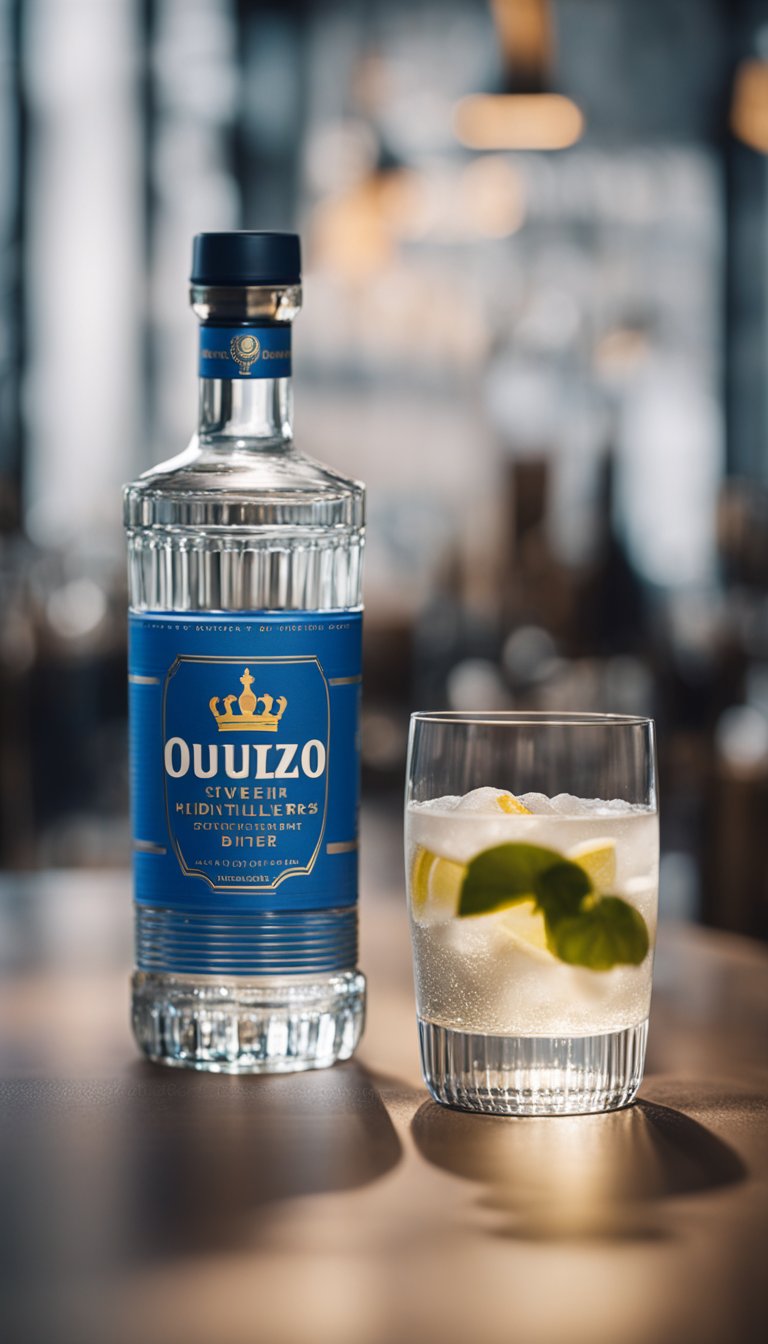
Designing Spectacular Drinks with Alcohol-Free Spirits
Elevate Your Mixology Game with a variety of creative alcohol-free Cocktails
As we dig deeper into the industry of alcohol-free spirits in mixology and mixology, it’s time for us to roll up our sleeves and start getting creative with crafting spectacular drinks. In this section we’ll take a look at essential tools as well as the art of creating delicious profiles, and then share easy-to-follow cocktail recipes that tantalize your taste buds and impress your guests.
The Mixologist’s Arsenal
Before we embark on our mixology journey, make sure you have the right tools available. While many of these tools may be well-known to experienced mixologists, they’re equally crucial to beginners:
1. Cocktail Shaker: An iconic instrument for mixing and chilling cocktails. You can choose between the Boston shaker (two-piece) or a cobbler shaker (three-piece) depending on your preferences.
2. Mixing Glass: Great for stirring cocktails and allowing to precisely control temperature and dilution control.
3. Muddlers are used for gently crushing food items like herbs, fruits and sugar cubes to make their flavors more apparent.
4. Jigger: A measuring device featuring two sides. Typically, it’s 1-ounce and 1.5-ounce measures, for accurate pouring.
5. Bar Spoon Long, skinny spoon used to stir cocktails without excessive dissolution.
6. Strainer: Ensures that the cocktails are properly strained by keeping solid ingredients from the glass.
7. Ice: High-quality, clear Ice cubes or spheres are important to maintain the integrity of your drinks.
8. Glassware: Different cocktails require specific glassware. Therefore, having a variety on hand is helpful. The most common types are rocks glasses, highball glasses, and martini glasses.
Building Flavorful Profiles
The art of creating exceptional alcohol-free cocktails is all about creating balanced and harmonious flavors. Here are some ideas to help you create the perfect mix of flavors:
1. Balance is key It is important to pay attention to the balance of sweet, sour, bitter and umami flavors in your cocktails. You can adjust the ingredients’ quantities to reach the desired balance.
2. Layering Flavors: Think about the possibility of layering ingredients according to the density. Heavy ingredients such as syrups must be added first, then followed by spirits, and then, lighter mixers.
3. Garnishes and Aromatics: Garnishes that include lemon twists or herbs, or edible flower petals not only boost the aesthetic appeal of your drink, but additionally add a scent to your drink.
4. Fresh Ingredients: Whenever you can make use of fresh juices from fruit or herbs as well as spices to make your cocktails with vibrant and authentic flavors.
5. Be adventurous: Don’t be afraid to explore different ingredients, flavor combinations, and garnishes. Creativity is the key to mixology.
Step-by-Step Cocktail Recipes
If you’ve been equipped with the fundamental tools and theories that govern mixology. Let’s test those expertise to the test with three delightful alcohol-free cocktail recipes. These recipes demonstrate the versatility of alcohol-free spirits as well as the endless possibilities to create exceptional drinks:
1. Citrus Splash
Ingredients:
- 1 oz Citrus-Infused Vodka Alternative
- 2 oz sparkling water
- 1/2 oz fresh lemon juice
- 1/2 oz fresh orange juice
- Fresh mint leaves to garnish
Instructions:
- Make sure to fill a glass with ice.
- Infuse the Vodka with Citrus, fresh lemon juice, freshly squeezed orange juice.
- Then, top it off with sparkling water.
- Stir well and garnish with fresh mint leaves.
2. Herbal Bliss
Ingredients:
- 1 oz Herbal Gin Alternative
- 1/2 oz elderflower syrup
- 3 oz tonic water
- Fresh basil leaves for garnish
Instructions:
- Pour ice into a glass.
- Pour in The Herbal Gin Alternative and elderflower syrup.
- Top with tonic water.
- Mix lightly, and serve with a fresh bouquet of leaves.
3. Smoky Elixir Sour
Ingredients:
- 1 oz Whiskey-Style Elixir
- 3/4 oz fresh lemon juice
- 1/2 oz simple syrup
- Ice
- Lemon twist for garnish
Instructions:
- Fill a cocktail shaker with an ice cube.
- You can add the Whiskey-Style Elixir along with freshly squeezed lemon juice and simple syrup.
- Shake vigorously.
- Strain into a rocks glass that is filled with an ice.
- Serve with lemon wedges.
Now that you’ve mastered the recipes for cocktails that you’ve mastered, you’re now well on your way to becoming a skilled mixologist. In the next segment this article, we’ll move your mixology game to the next stage by learning about presentation and garnishing techniques that will delight your guests.
[Next up: Section 4: Elevating Your Mixology Game]
Have you got the confidence to stun? your newfound skills?
Elevating Your Mixology Game
Presentation and Garnishing Methods used for Spectacular Alcohol-Free Cocktails
Welcome back to our exploration into the fascinating world of alcohol-free mixology. In this article, we’re going take your mixology skills step up by focusing on presentation and garnishing techniques that will impress your guests. As we all know, a cocktail that is presented well will not only taste better but also adds an extra layer of class to the drinking experience.
Presentation Is Key
The look of a drink is the first thing to draw the attention of your guests. Here are some helpful tips on how you can serve your alcohol-free cocktails to make these drinks irresistible
1. Glassware Selection: Choose the perfect glass for your cocktail. The glass you choose should complement the taste and appearance of the drink. For example glasses like martinis are perfect for sophisticated cocktails, while a highball glass can be used for big, refreshing drinks.
2. Clear Ice: Use crystal clear high-end ice cubes and spheres that not only keep your drink cool but also make a stunning impression on the glass. The appearance of ice that is cloudy can affect the overall appearance.
3. Proper Pouring: When pouring your cocktail into your glass, make sure to do so cautiously to avoid spills and make sure the drink is visually attractive.
4. Garnish Placement: Strategically place garnishes to ensure that it improves the aesthetics of the drink. For instance, a fruity twist could be draped over edges of glasses, or floating over the surface.
5. Color Contrast Be aware of the hues you mix with your ingredient. A cocktail that has contrasting colors can be visually stunning. Play around with layers to create stunning effects.
Garnishing Techniques
Garnishes act as the last strokes of a painting. They enhance the flavor, depth and that perfect finishing touch which elevates your drink from ordinary to exceptional. Here are some garnishing methods to master:
1. Citrus Twists: Make use of a vegetable peeler or a special citrus zester to create long, elegant curly twists out of citrus peel. These not only look beautiful but also release aroma oils when twisted, which enhances drinks’ aroma.
2. Herb Sprigs Fresh herbs like mint rosemary, basil, and mint make great garnishes. Tap or gently clap the herbs prior to adding them to the cocktail to release the scent of their oils.
3. Edible Flowers. Delicate edible flowers like violets, pansies, and nasturtiums provide a touch elegance and color to your cocktails. Ensure they are safe for consumption.
4. Skewers and Picks: Garnishes such as cherries, olives or berries can be skewered or placed along the edges of the glass for an elegant display.
5. Rimming Techniques for Certain cocktails, rimming the glass with salt, sugar, or spices can add both flavor and interest. You can use syrup or juice of citrus to make the material used for rimming stick.
Hosting an Memorable Mixology Gathering
Once you’ve honed your presentation skills and garnishing techniques you’re ready to use them by hosting a memorable mixology party. It could be a cocktail gathering with friends or a special event, here are some suggestions for making the occasion memorable:
1. Themed Decor: Choose a theme for your celebration and decorate accordingly. Themes like tropical luau or vintage speakeasy are great ways to set the mood and enhance the experience.
2. Signature Cocktails: Make an alcohol-free signature cocktail for your celebration that fits the theme or event. You can give it a catchy name and make the event memorable.
3. Interactive Stations Set up interactive cocktail-making stations, where guests can create their own drinks. Give a variety of alcohol-free spirits, mixers and garnishes to encourage creative and experimentation.
4. Tasting Notes: Instruct guests to note down their notes of each cocktail they taste. This could spark interesting discussions and help you improve your mixing skills.
5. Mocktail Menu: Include drinks that are alcohol-free offering guests the chance to choose their own favorites. You can include a mixture of sweet, savory, and the sour varieties.
With these presentation and garnishing techniques along with your new mixology expertise, your guests will surely be treated to an enjoyable experience at your next gathering. In the next segment we’ll go over the importance of sharing the pleasure of mixing with friends and family.
[Next step: Section 5: Sharing the Experience[Next up: Section 5: Sharing the Experience
Are you excited to showcase your mixology skills and impress your guests with gorgeously presented cocktails that are alcohol-free? Let’s explore the universe of mixology and find the joy of sharing these delicious creations!
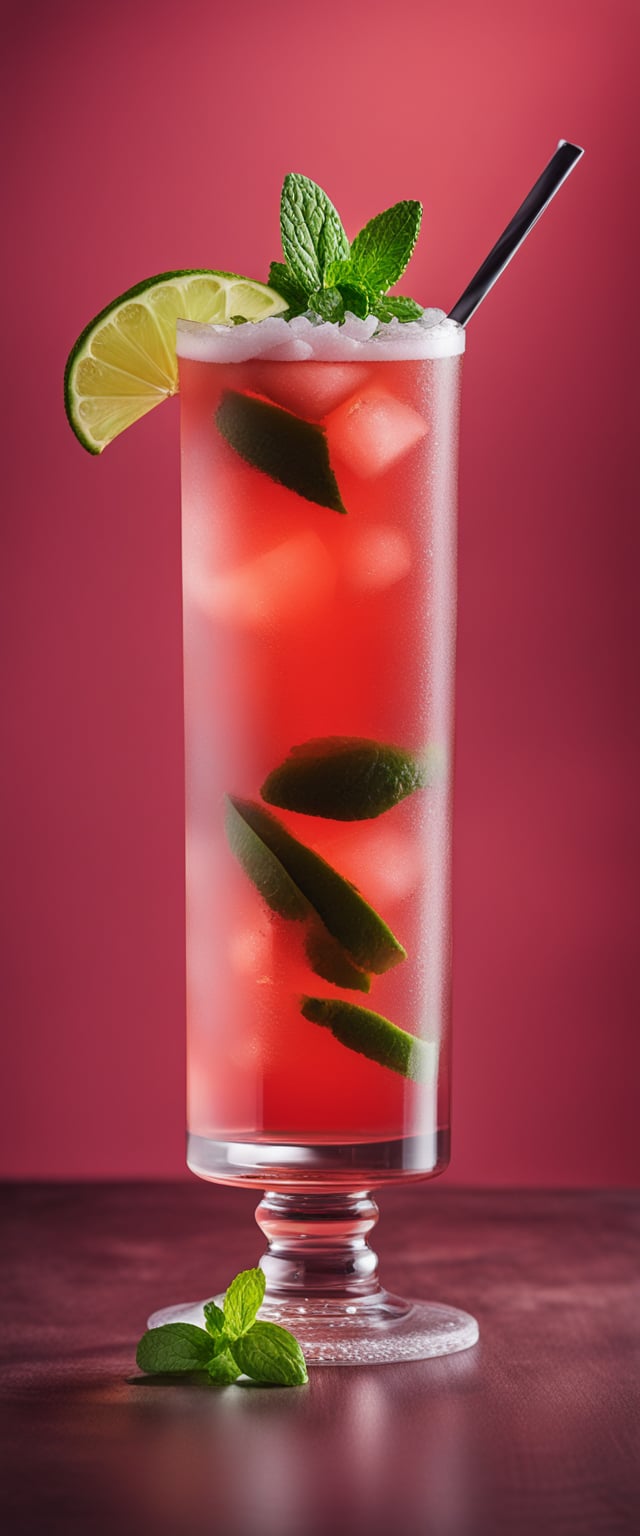
Sharing the Joy of Mixology
Aiming to Bring People Together Mixology, which is alcohol-free
As our adventure through the world of alcohol-free spirits for mixology will come to an end there’s one aspect we’ve yet to explore yetaEUR”the satisfaction of sharing the experience with others. Mixology isn’t just about making great cocktails, it’s about creating memories and making connections to family and friends. In this final segment this article, we’ll review the importance of sharing your mixology passion and provide some tips on making it happen.
“The Joy of Mixology Gatherings
Mixology-themed gatherings are not simply a chance to show off your drinks-making abilities. They’re occasions to create lasting moments and build bonds with the people you cherish. The reason why hosting mixology events is an enjoyable experience
1. Creative and collaborative: Mixology parties foster collaboration and creativity. Participants can play around with various flavors, exchange ideas, and even compete to make the most delicious recipes.
2. Inclusivity: Alcohol-free mixology allows everyone to take part, regardless of their alcohol preferences. It ensures that all guests are able to enjoy the party.
3. Learning and appreciation Mixology events will give you an opportunity to teach your guests. You can teach them about the art of mixing and the wide range of alcohol-free spirits, and also the importance of balance when making cocktails.
4. To create memories: The distinct cocktails and the jovial exchanges during mixology parties create lasting memories that your guests are sure to treasure.
Tips for hosting an event Mixology Gathering
Ready to share your passion for mixing with your family and friends? Here are some tips to help you host a successful, enjoyable mixing event:
1. Plan ahead: Choose the theme, drinks, and other recipes prior to the event. Make a list of your shopping needs and ensure you have all ingredients needed and garnishes.
2. Interactive Stations Make interactive cocktails by setting up stations that include alcohol-free spirits, mixers, and garnishes. Offer clear instructions and inspire your guests to come up with their own ideas.
3. Signature Cocktails. Create a some signature alcohol-free drinks for your guests to enjoy. It is important to have options catering to different taste preferences.
4. Tasting Notes: Give sheets of tasting notes or tasting cards for guests to note down their impressions of each drink. This adds an educational element in the gathering and helps spark fascinating conversations.
5. Take care to be safe: If you have guests who aren’t familiar with alcohol-free cocktails, be sure to remind them about the necessity for drinking in a responsible manner.
6. Ambiance and music Make sure you set the mood with the music and décor that go with the theme of your event. In creating the right atmosphere, it enhances the overall enjoyment.
7. Share the recipes: At the close of the party, share the cocktail recipes with your guests. So that they can make their own favorite cocktails at home.
Final: It’s a Journey Mixology
In this series we’ve embarked in the exciting world of alcohol-free spirits to mixology. From understanding the rise of mixology that is alcohol-free to exploring the world of alcohol-free spirits, making delicious cocktails, to mastering presentation and garnishing techniques This series has covered it all. Mixology is not only a method of making cocktails; it’s an art form that connects people together, promotes imagination, and is a celebration of diversity.
We hope this series provided you with the inspiration to explore the world of alcohol-free mixology and then share it with your loved family members. Even if you’re a pro mixologist or are just beginning, there’s always something new to discover and learn from the world of cocktails.
So, raise your glassaEUR”whether it’s filled with an alcohol-free drink or a classic favoriteaEUR”and toast to the pleasure of mixology. Cheers!
Are you missing any part of our journey through mixology? Here’s a recap:
-
Section 1: Introduction to alcohol-free spirits suitable for Mixology
-
Section 2: Exploring the world of Alcohol-Free Spirits
-
Chapter 3 Crafting amazing drinks with Alcohol-Free Spirits
- Section 4: Elevating Your Mixology Game]
We appreciate you joining us in this journey of mixology. We hope you enjoy your continuing exploration of the universe of alcohol-free spirits and the delightful cocktails they inspire.