Amazon CA Tips
Unveiling the Future: EU Sustainable Alcohol-Free Spirits
In recent years the European Union (EU) has observed a drastic change in the world of spirits. An evolution is underwayaEUR”one which speaks to the ever-changing preferences, tastes, and mindful choices of customers. As the EU is embracing sustainability, and as increasing numbers of people seek alternatives to traditional alcoholic drinks and the growth of sustainable alcohol-free spirits has become an appealing trend. In this article, we embark in a journey to study this intriguing trend.
The Rise of Sustainable Spirits in the EU
Changes in the EU Alcohol Market
The landscape of the alcohol market in the EU has undergone a profound change. In the past, alcohol has been a major part of European society, with wine beers, whiskey and vodka being a common feature of social gatherings and meals. However, in recent years, an interesting trend has emergedaEUR”consumers are becoming more conscious of their choices.
The EU market for alcohol, previously predominantly defined by the consumption of alcohol-based drinks, is now undergoing a shift towards more sustainable, healthy, as well as alcohol-free options. The need for mindful consumption as a result of health concerns along with social responsibility and environmental awareness has led to the new age of spiritsaEUR”the type that is non-alcoholic and sustainable.
The Emergence of Alcohol-Free Spirits
The leaders in this trend are progressive brands who have embraced changes in consumer preferences. These forward-thinking companies have responded by introducing a variety of alcohol-free spirits which not only provide a healthier alternative to traditional alcoholic beverages, but also prioritize sustainability.
The rise of alcohol-free spirits mark an important departure from the past. These spirits, without alcohol, yet full of flavor are a perfect representation of traditional drinks without the intoxicating effects. While the concept that alcohol-free spirits exist isn’t new, the focus on sustainability and environmentally responsible is a recent as well as crucial change.
The article will delves into this exciting trend, studying the environmental effects from traditional alcohol production while also examining how sustainability practices are being integrated into the creation of spirit that is alcohol-free. In the following sections, we will look at the fascinating history of these drinks, from the sourcing of ingredients, to eco-friendly manufacturing processes and sustainable packaging and distribution.
So, let’s begin this adventure together and see how EU sustainable alcohol-free spirits are paving the way to a sustainable and more mindful future. In the next part we’ll explore the environmental impact of traditional alcohol production and how it’s driving people to make more sustainable choices.
Continue reading: A Greener Effects from Traditional Alcohol Production
Keywords: EU Spirits that have a sustainable and alcohol-free source, market for alcohol in the EU Sustainable spirits, alcohol-free alternatives in mindful consumption, eco conscious, sustainable and alcoholic spirits, sustainability of liquor-free brands, ingenuity and the environmental impacts of traditional alcohol production, and sustainable options.
Set Your Business Apart: Purchase Alcohol-Free Spirits Directly from Swedish Distillers!
The Environmental Impact of Traditional Alcohol Production
When one thinks of manufacturing alcohol, the image that is usually recalled is idyllic wineries, baroque breweries, or elegant distilleries. While these scenes may exude charm and tradition, they also conceal a substantial environmental impact. In this article, we’ll delve into the environmental impact of the traditional methods used to produce alcohol and how they have been a factor in the rising demand for more sustainable options.
The Hidden Costs of Traditional Alcohol Production
Traditional methods of producing alcohol have been used for a long time which are usually passed down over generations. These methods typically involve the cultivation of certain crops (such as grains, grapes, or sugarcane) and distillation, fermentation in aging, bottling, or distillation. While these procedures may seem natural, they can have significant environmental impacts:
1. Resource Intensity
a. Land Use
Traditional production of alcohol typically requires large expanses of space for agriculture. In the cultivation process, crops such as grains or grapes requires significant space, which can otherwise be used for many different and sustainable purposes.
b. Consumption of Water
The production of alcoholic beverages is notoriously water intensive. From irrigation of crops to actual distillation and fermentation procedures, large amounts of water are used up. This is a problem in areas in which water scarcity is one of the major issues.
2. Energy Consumption
Traditional maturation and distillation processes are energy-intensive. Utilizing fossil fuels to power distillery operations adds to the emission of greenhouse gases and contributes to climate change. Additionally, the process of aging spirits in wooden barrels calls for huge storage facilities, frequently requiring temperature control and further energy expenditure.
3. Chemical Use
Pesticides as well as fertilizers are widely employed in agriculture for protection of crop yields and protect crops. The chemical runoff resulting from conventional farming practices can result in destruction of the soil and pollution of the water which negatively affects ecosystems as well as the health of humans.
A Shift Towards Sustainable Alternatives
As the concerns over the impact of climate change, resource depletion in the environment, and resource depletion grow people are becoming and more discerning. They’re increasingly looking for products which match their standards of environmental sustainability and accountability. This shift in preferences among consumers has helped to create eco-friendly alternatives, including alcohol-free spirits.
In the next section in the next section, we’ll explore where the manufacture of EU sustainable alcohol-free spirits is revolutionizing its environmental footprint. From innovative methods for sourcing to environmentally friendly production processes this is setting a new standard for sustainability within the spirit industry.
Continue reading: Sustainable development in EU Alcohol-Free Spirits
Keywords: The environmental effects of the production of alcohol using traditional methods of production as well as the impact of resource use in alcohol production, the use of land in alcohol production drinking, water usage during production of alcohol, energy consumption in alcohol production the use of chemicals in alcohol production and sustainable alternatives and climate change. degradation, consumer preference for sustainability in alcohol-free spirit.
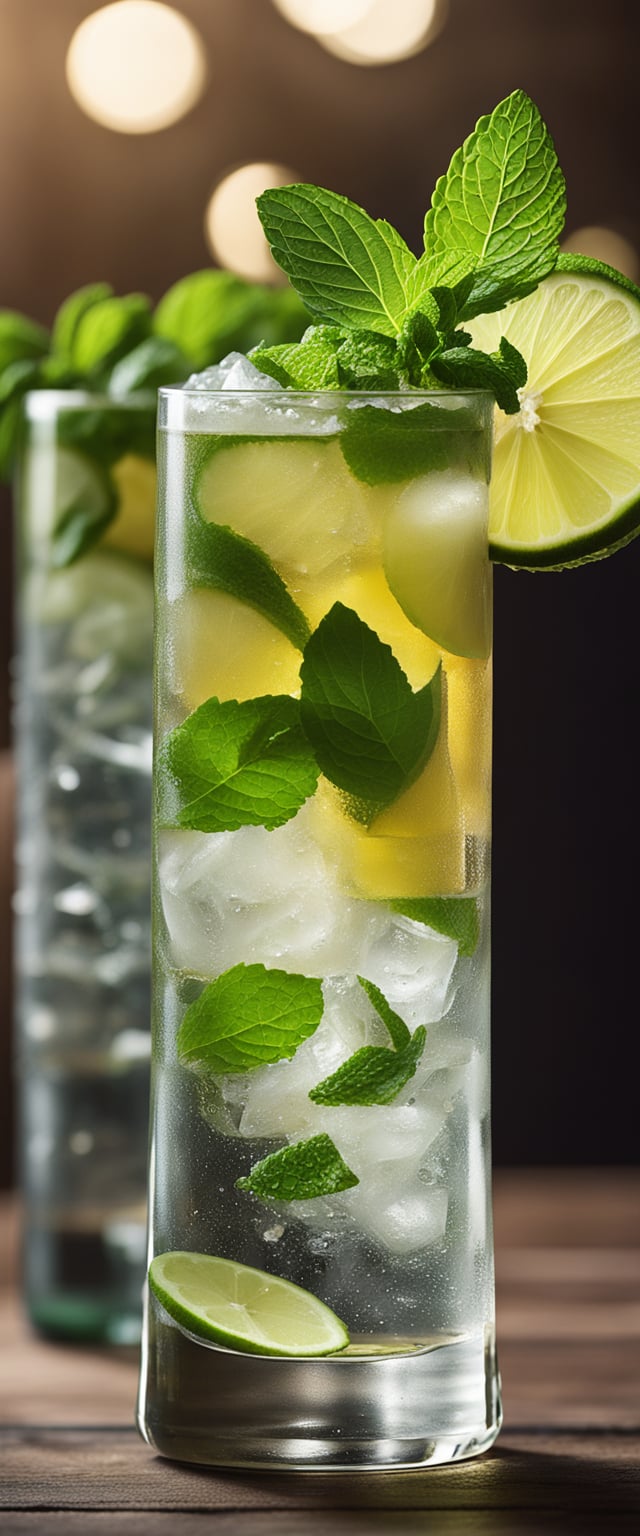
Sustainable, Alcohol-Free Spirits The Greener Alternative
In the previous section we looked at the environmental consequences of traditional alcohol production and the shift in consumer preferences toward sustainability. Let’s dig deeper into the realm of sustainably produced alcohol-free spirits, and explore what they’re doing to pave the way for a better and more responsible future.
The birth of sustainable, alcohol-free Spirits
The concept of alcohol-free spirits might seem contradictory at first glance. Since spirits have been for a long time associated with alcohol content. However, innovative and forward-thinking distilleries are challenging the perception by crafting alcohol-free alternatives that capture the essence of traditional spirits without the alcohol.
What are the most sustainable alcohol-free Spirits?
Sustainable alcohol-free spirits, commonly referred to as “spirits alternatives,” are beverages that imitate the aromas, flavors and the complexity of traditional spirits, but include a small amount of alcohol. They are created with the combination of botanicals, spices, herbs and other ingredients from nature, that are all carefully selected to give a distinctive sensory experience.
The Environmental Benefits
1. Lowered Footprint of Land and Water
One of the primary positive environmental impacts of sustainably made alcohol-free spirits is their reduced footprint of land and water. Contrary to traditional alcohol production which requires extensive agricultural space as well as water for growing crops Spirit alternatives typically source their ingredients in a more efficient manner. That means less resources are consumed, freeing space for water and land to serve other sustainable needs.
2. Lower Energy Consumption
Spirits made without alcohol usually requires less energy intensive processes with respect to traditional distillation and maturation. It is a result of a smaller carbon footprint, and a decrease in green house gas emission. As the world wrestles with the consequences of climate changes, energy savings are increasingly important.
3. Use of chemicals in a minimal amount
Sustainable spirits that are alcohol-free are made with a particular focus on the purity of their products and the sustainability. This means no chemicals, pesticides, or fertilizers are used when making them. In avoiding toxic chemicals frequently used in conventional agriculture, these alternative methods aid in healthier ecosystems and healthier water sources.
Satisfying Consumer Demand
The modern consumer is more informed and conscious on their choice. They prefer products that are aligned with their beliefs, which includes sustainability and social responsibility. Sustainable alcohol-free drinks meet this demand by offering an eco-friendly and guilt-free drinking experience.
These are not only popular with those who have a zero tolerance to alcohol but also by individuals trying to cut back on their alcohol intake, for health, social, or personal reasons.
What’s to come
In the next part we’ll explore noteworthy EU distilleries and brands who have been embracing sustainable alcohol-free spirits. The next section will take a deeper study of their unique strategies as well as their unique offerings and their impact on the spirits industry.
Read more: Leaping the Green Revolution: EU Sustainable Brands that are Alcohol-Free
Keywords: organic alcohol-free spirits alternative spirits, environment benefits, lower land and water footprints, lower usage of energy, less chemical usage, meeting consumer demand, EU brands, distilleries new approaches, driving the green revolution.
Leading this way is the Green Revolution: EU Sustainable Brands of Alcohol-Free Spirits
As the preferences of consumers continue to shift towards sustainable and environmentally responsible several European Union (EU) distilleries and brands are leading the way in the production of alcohol-free sustainable spirits. In this article in this section, we’ll examine noteworthy EU brands and distilleries which have been embracing the green revolution and are revolutionizing the spirits sector.
The Rise of Sustainable Spirits from the EU that are Alcohol-Free Brands
A commitment to sustainability
EU distilleries are renowned for their long tradition of producing top-quality spirits. In the current climate, where the world is facing environmental issues they are now embracing the challenge of sustainability. They understand the need to reduce their carbon footprint, preserve natural resources and encourage sustainable consumption.
Innovative Approaches
In order to achieve sustainability, EU brands are employing innovative methods for alcohol-free spirit production. These methods include using locally produced, organic ingredients that are sourced locally in addition to adopting efficient production methods that save energy, and even implementing circular economic principles.
Noteworthy EU Sustainable Non-Alcohol Spirits brands
1. Seedlip
-
History: Seedlip tends to be identified as one of pioneers of the sustainable alcohol free spirits movement. The brand was established in the United Kingdom, the brand has gained recognition internationally for its innovative spirit solutions.
-
Sustainability Initiatives: Seedlip place a high priority on sustainability, getting ingredients from local farms and using eco-friendly packaging. They’ve also created initiatives that support biodiversity and conservation.
2. Rutte
-
Background Rutte the Dutch distillery with a long background dating back to 1872, has now introduced a range of alcohol-free spirits that respect their traditional craftsmanship and promote sustainability.
-
Sustainability initiatives: Rutte focuses on using natural ingredients and reducing the use of chemicals in their production. They also take part in green initiatives within their local communities.
3. CalenIfo
-
Background: CalenIfo was founded in Spain is renowned for its bright and tropically-inspired Spirits that aren’t alcoholic, which are perfect for cocktails and social gatherings.
-
sustainability initiatives CalenIfo takes a strong stand to ethically sourcing ingredients, supporting ethical labor practices and minimizing their environmental impact.
The impact on Spirits Industry
These EU non-alcoholic spirits that are sustainable offer eco-friendly alternatives to standard spirits but creating change within the industry. As they grow in popularity, other distilleries and brands are paying attention and implementing more sustainable practices.
The rise in these brands underscores an increased awareness of environmental issues and a demand to consume responsibly and sustainably within the market. It’s apparent that sustainability isn’t simply a trend, it’s becoming a central aspect of the future of the spirits industry.
In the coming section, we’ll be taking a closer examine the global effects of alcohol-free spirit that is sustainable and their role on the scene of future beverage trends.
Continue reading: Shaping the Future: The Global Effects of Sustainable Alcohol-Free Spirits
Keywords: EU Sustainable alcohol-free spirit brands that are committed to sustainability innovative strategies, Seedlip, Rutte, CalenIfo’s effect on the spirits industry, responsible consumption, future of the beverage industry.
How to shape the future The Global Impact of sustainable alcohol-free spirits
In the previous sections, we embarked on an exploration into the changing world of sustainable alcohol-free spirits within the European Union (EU). The focus was on the commitment to sustainability, new approaches that are transforming the industry, and some of the most notable EU companies that are at the forefront of on the path to a sustainable green revolution. In this last installment, we widen our scope to look at the global impact on sustainable alcohol-free spirits and their role in shaping the future of the beverage industry.
A Worldwide Shift Towards Sustainability
A Global Phenomenon
The EU has been a pioneer in making alcohol-free spirits with minimal impact on the environment and consumption, the movement is certainly not restricted to its boundaries. All over the world, from North America to Asia, distilleries and brands are starting to realize the importance of sustainability and environmental responsibility in spirits production.
Consumer Demand
One of main forces for this shift globally is the increasing demand of customers for environmentally friendly and sustainable products. Consumers aren’t just looking for top quality beverages, but also sustainability. They want to make choices which align with their beliefs while reducing their environmental footprint.
Broadening Horizons Brands Beyond Borders
Beyond the EU
In previous sections our previous sections, the EU includes several notable producers who have committed themselves to sustainability. However, we should not be ignoring the contributions of distilleries from other regions. Brands come from countries like United States, Canada, Australia and numerous Asian countries are also making noises in the sustainable alcohol-free spirits landscape.
Innovative Techniques and Flavors
What sets these international labels apart is their distinctive regional flavor and production methods. For example, American brands may draw on local botanicals while Asian distilleries often infuse their products with spices and herbs from the past.
The Impact On the Spirits Industry
The combined efforts of distilleries, brands and distilleries around the world have a significant impact on the spirit industry. Here’s how:
Awakening Change
The popularity and acceptance of the sustainable alcohol-free spirits companies are prompting traditional distilleries and beverage companies to reevaluate their operations. As a result, we are seeing a growing number of business leaders adopting environmentally-friendly practices and sustainable production methods.
A Sustainable Future
Sustainable development isn’t just a term, but rather an important strategy for the industry’s long-term. From cutting carbon emissions to conserving water resources Spirits producers are becoming aware of their role as stewards of the environment.
Conclusion: A Toast To Sustainability
In this series, we’ve taken a deep look at the world’s best alcohol-free spirits from their humble beginnings and ingenuous production techniques in the past to famous EU and global brands. The journey has revealed the transformational power of sustainability within the industry of spirits.
As we raise our glasses to celebrate these amazing advancements in spirits, we recognize that the shift to green spirits isn’t an unnoticed trend, but an entire paradigm shift. It’s a shift towards a more sustainable, responsible and eco-friendly future of your favorite drinks.
So regardless of whether you’re sipping an Seedlip drink in London while sipping a Rutte creation in Amsterdam, or exploring the exotic flavors of CalenIfo in Madrid Make sure that your choices will lead to a more sustainable and more sustainable planet.
We thank you for taking us in this informative journey through the world of alcohol-free and sustainable spirits. As we come to the end of this series take the idea of sustainability forward and continue to take responsible decisions about the drinks we consume.
A Recap from the Series:
-
The Rise of Sustainable Spirits from the EU that are Alcohol-Free Brands
-
Sustainable, Alcohol-Free Spirits: One Global Perspective
-
Creative Production Techniques for Sustainable Alcohol-Free Spirits
-
Notable Brands in the Sustainability Alcohol Free Spirits Movement
-
Moving the future: Global Impact of sustainable alcohol-free Spirits
Unlocking the Latest EU as well as UK alcohol-free Spirit market trends: Take Action Now to Secure Gains!
In today’s ever-evolving beverage industry staying ahead trends is not just a commercial strategy, but it’s a necessity. As the demand for alcohol-free and healthier alternatives continues to rise, the alcohol-free spirit market that is available in the European Union (EU) and the United Kingdom (UK) is experiencing a phenomenal growth. In this comprehensive guide, we’ll dig into the latest trends in the market to reveal valuable knowledge which will propel your business to new heights.
Understanding the market for alcohol-free spirits
Before diving into the specific trends that are shaping the EU and UK markets, it’s crucial to grasp the wider context of spirits that are alcohol-free. These innovative beverages have gained significant prominence in recent years, fueled by the shifting preferences of consumers toward healthier and more mindful drinking choices.
Nowadays, consumers are more aware of their health and want products that correspond with their wellness. Traditional alcoholic beverages do not seem to have the same appeal as more consumers seek alternatives that give the pleasure of drinking but without the negative effects of alcohol.
The alcohol-free spirit market responds to this need by offering sophisticated, non-alcoholic beverages that simulate the aromas and flavors of traditional spirits such as gin, vodka, and whiskey. These products appeal to many different types of customers, including teetotalers, designated drivers, pregnant women, and those simply looking to reduce their alcohol consumption.
The Global Trend of Mindful Drinking
The rising popularity of alcohol-free spirits aren’t specific to the EU nor the UK in isolation; it’s part of a larger trend referred to “mindful drinking.” The movement focuses on making mindful choices regarding alcohol consumption, advocating moderation, and pursuing alternatives that can be incorporated into a healthy living.
The mindfulness drinking trend is growing rapidly across the globe. People are increasingly choosing drinks that let them get together, have fun, and relax without the negative consequences of alcohol. This shift in attitudes is driving the alcohol-free spirit market to new levels.
Once we’ve established a background of alcohol-free spirits and the trend in global mindfulness drinking We’ll now shift our focus towards the specific market trends within the EU. In the next section, we’ll provide a snapshot of the EU market with a focus on its growth and the market value.
Keep an eye out to Section 2, where we’ll look into the EU market for alcohol-free spirits in depth providing key figures and new trends you need to know about.

How to navigate the EU Alcohol-Free Spirit Market: Statistics and emerging trends
In the ever-evolving landscape of the European Union (EU), the alcohol-free spirit market has been gaining prominence as it attracts both consumers and business alike. This is the second installment of our look at the new trends and developments in the EU and UK alcohol-free spirit market we go deeper into the EU market, providing an exhaustive overview of its potential growth, market value and the thrilling trends that are shaping its future.
The EU Alcohol-Free Spirit Market at a Glance
Market Growth and Forecasts
The EU alcohol-free spirit market is experiencing a dramatic growth rate over the last several years, and has the market showing no signs of slowing. Compound annual growth rates (CAGR) depicts a vivid image of its growth. According to industry reports there is a CAGR that of alcohol-free spirit market in the EU is expected to be roughly 12% from the year 2020 until 2027.
This phenomenal growth can be explained by a number of important factors:
-
Consumer Awareness: Increasing awareness about the health risks associated with consumption of alcohol has motivated consumers to search for healthier alternatives. Alcohol-free spirits, with their appealing scents and flavors have become an attractive option for a lot of.
-
Wide Variety of Product Options: It is the EU market has a diverse selection of alcohol-free spirits and products that cater to the different tastes and preferences. If you’re a lover of whiskey or botanical-infused gin, there’s a expert, there’s a alcohol-free option that will please you.
-
Innovation in Marketing Companies are investing in cutting-edge marketing strategies that advertise their alcohol-free products. This includes partnership with bars, restaurants as well as online influencers, in order to reach out to a wider audience.
Market Value and Revenue
The EU market for alcohol-free spirits’ current amount is in the range of a,!200-a,!250 million. The number is predicted to grow over the next few years. The market’s growth is evident in the revenue generated, and experts estimate that it could hit a million or more in 2025.
Market expansion is not only restricted even to long-established EU countries. Markets in the emerging markets of Eastern and Southern Europe are also contributing significantly to this expansion. People in these regions are increasing embracing alcohol-free drinks increasing its geographical reach.
Emerging Trends in the European Union Alcohol-Free Spirit Market
1. Craft and Artisanal Products
The consumers of the EU are showing an increasing preference for artisanal and craft alcohol-free spirits. They appreciate the particularity, unique flavor profiles and the high quality of these drinks. Craft distilleries that are handcrafted are getting more and more popular with a focus on making small-batch, handmade alternatives to traditional spirits.
2. High or no sugar Variety
Consumers who are concerned about their health are scrutinizing labels more than they have ever before. This has resulted in the need for alcohol-free spirits with minimal or no sugar. Brands are responding by formulating products that appeal to this lifestyle preference, offering products that can be used in conjunction with a sugar-conscious lifestyle.
3. Functional Ingredients
The incorporation of functional ingredients in alcohol-free spirits is an emerging trend. People are seeking drinks which not only provide great tasting, but also health benefits. Ingredients such as adaptogens, botanical extracts as well as vitamins are being included to create distinctive and focused on wellness options.
4. Sustainable and environmentally friendly practices
Sustainability is an important issue for a lot of consumers. Brands that are committed to eco-friendly packaging and sustainable sourcing of ingredients are increasingly gaining popularity. There is a growing demand for sustainable products. EU market is witnessing an explosion in eco-conscious alcohol-free spirit products that appeal to consumers who are conscious of the environment.
Keep an eye out for Section 3 In this section, we’ll concentrate on the UK spirit market that is alcohol-free, analysing its evolution and the reasons behind its growth.
Enhance Your Product Range: Direct Orders of Non-Alcoholic Spirits from Swedish Distillers!
The UK Alcohol-Free Spirit Market: A Soaring Trend
In our continuing journey through the ever-changing environment of alcohol-free spirits, we are now turning our attention to the United Kingdom, where the market for these unique drinks is experiencing an unprecedented increase. In this third installment of our series we’ll study the UK alcohol-free spirits market in depth, shedding light on the issues, trends as well as consumer behavior changing the course of its development.
The UK Alcohol-Free Spirit Market: A thriving Landscape
Rapid Expansion and Market Dynamics
The UK alcohol-free spirit market has experienced an exponential growth in recent years. This phenomenon is largely driven by the following factors:
-
consumer health awareness: with a renewed awareness of health and wellbeing increasing numbers of people in the UK are adopting a more responsible approach to their drinking. They are seeking alternatives that permit them to enjoy the flavors and rituals associated with spirits, but without negative health effects.
-
premiumization This market witnessing the growth of premium and high-quality alcohol-free spirits brands. These offerings cater to consumers who are seeking the highest quality of spirits. They also offer complex flavor profiles, superior ingredients, and meticulous workmanship.
-
A shift in social norms There’s an evolution in the way we think about social norms underway in the UK with alcohol-free drinks being accepted as socially acceptable and even fashionable. This change is evident in the increase of alcohol-free bars and an increasing number of non-alcoholic choices in traditional establishments and bars.
Market in Numbers: The UK Market in Numbers
Let’s get into some figures to highlight the success of the UK alcohol-free spirit market
-
Valuation: As of now, market value estimates from the UK alcohol-free spirits market is at approximately 50 million APS. The market is expected to increase by a factor of three or four in the next few years as the demand of consumers continues to rise.
-
Customer Adoption According to research, more than 20% of UK adult consumers have reduced their alcohol consumption significantly this has led to an increase in sales of spirits containing no alcohol.
-
Premier Segment It is one of the fastest-growing. Brands offering premium alternatives to traditional spirits are taking substantial market share.
Trends Defining the UK Alcohol-Free Spirit Market
1. Mixology that is alcohol-free
Mixologists and bartenders are adopting spirits that are alcohol-free to make sophisticated and imaginative cocktails. The trend is raising the position of alcohol-free beverages within the field of mixology, encouraging both enthusiasts and professionals to explore new flavors and creative presentations.
2. Health-Centric Choices
A growing number of health-conscious consumers are opting for alcohol-free spirits that offer more than just an enjoyable drinking experience that is guilt-free. These beverages often contain beneficial ingredients like botanicals, superfoods, and adaptogens. They align with the wider health and wellness movement.
3. Versatile Flavor Profiles
The diversity of flavor profiles is a feature of UK market for alcohol-free spirits. Brands are offering a huge selection of choices, ranging from juniper-forward gins, to smoky and smoky alternatives to whiskey. The variety ensures there’s an alcohol-free spirit to suit all tastes.
4. Sustainable Practices
The eco-conscious consumer is increasingly looking for products that reflect their values. Many UK spirits with no alcohol are responding by adopting eco-friendly and sustainable practices, from responsible sourcing to recyclable packaging.
As the UK alcohol-free spirit sector thriving It’s evident that this trend is set to last. In the next section, we’ll discuss the global impact of this industry that is growing rapidly, including its influence on markets around the world and the new ideas it continues to create.
Keep an eye out for Section 4, where we’ll take a trip to explore how the EU as well as the UK alcohol-free spirit market trends are influencing global trends in the world of drinks.

The Global Impact The Global Impact: How EU as well as UK Free of Alcohol Spirit Market Developments affect the World
As we continue to study the impact of the alcohol-free spirit revolution we’ve observed how the United Kingdom has become a significant participant in this fast-growing sector. In the fourth installment of our series, we’ll venture across the globe to find out how the trends in the EU and UK markets for alcohol-free spirits are influencing the global drink landscape.
EU and UK Influence on Global Stage
Europe’s Pioneering Spirit of Europe
The European Union has long been an innovative hub in the world of drinks. It’s not surprising that the EU has played an important role in the creation and spread of alcohol-free drinks. The successes with EU brands in crafting alcohol alternatives has laid the groundwork for recognition across the world.
UK Market as a Catalyst
The UK through its energetic and advancing alcohol-free spirits market, has acted as an engine for the development of. Here’s how:
-
Innovation Hub: This UK has become an innovation hub, with numerous startups and established companies launching new alcohol-free products. The enthusiasm for innovation has been a hit across the globe, inspiring similar initiatives elsewhere around the globe.
-
Exporting Excellence: UK-based alcohol-free spirit brands are exporting products to foreign markets, showcasing British design and taste. This has led to increased awareness and demand for alcohol-free spirits globally.
Global Expansion of Alcohol-Free Spirits
The US Market
The United States, known for its bustling craft drink industry has taken on the alcohol-free spirit trend. US customers are seeking alternatives to traditional alcohol in which both international and local brands are coming in to meet this demand.
Asia-Pacific Region
The Asia-Pacific region of the world, home to a wide range of cultures and traditions has witnessed a rapid expansion of alcohol-free liquors. Countries like Japan and Australia have developed their own alcohol-free products, catering to the local preferences and tastes.
Latin America
In Latin America, where vibrant drinks are common, the trend towards alcohol-free spirits is beginning to gain the attention of. Companies are creating drinks that are capturing the essence of regional flavors, making them a huge hit both in the local and international markets.
The Ripple Effect
The influence that EU and UK trends in the alcohol-free spirit market extends beyond the innovation of products. It has stimulated debates and initiatives related to health or sustainability, as well, as consumer choice on a global scale.
Health and Wellness
The world’s consumers are becoming more aware of the health benefits they receive. This shift has prompted multinational brands to create alcohol-free options that provide similar sensory experience as traditional spirits, but without the negative side effects of alcohol.
Sustainable Practices
Sustainability is a growing concern across the globe. The eco-friendly practices of EU and UK alcohol-free spirit brands have been a model for similar efforts in other countries. From sourcing ingredients in a responsible manner and reducing carbon footprints sustainability has become an essential importance in the industry.
What’s in store for the future
As we’ve analyzed the impact in the wake of EU and UK trending in the market for alcohol-free spirits on the globe, it’s clear that this isn’t simply a passing fashion. It’s an era-changing trend that transcends cultures, borders, and consumer expectations.
In Section 5 this series, we’ll end with a look ahead to the future of spirits that are alcohol-free. We’ll examine emerging technologies changes in consumer tastes, and the innovations expected to keep this trend thriving and relevant.
Stay with us as we continue our journey to the world of exciting alcohol-free spirits.
The Future of Alcohol-Free Spirits: Innovations and Beyond
As we move into the last leg of our journey into the intriguing the world of alcohol-free liquor, we are at a point of convergence between opportunity and innovation. This is the fifth and concluding section of our series we’ll examine the future for the industry, what new technologies are altering the landscape, and the ways alcohol-free spirits continue appeal to consumers worldwide.
Innovations on the horizon
Distillation Breakthroughs
Traditional distillation methods were at the forefront of creating alcoholic spirits over several centuries. In the alcohol-free spirit realm, innovators are pushing the boundaries of distillation and creating beverages that mimic the flavors and scents of traditional spirits, but without the alcohol content.
Genetic Mixology
The art of molecular mixing, originally reserved for the most expensive cocktail bars, is now making its way into the alcohol-free world. Utilizing scientific principles, mixologists are creating distinctive textures, infusions, and presentations that elevate your non-alcoholic drinking experience to new levels.
The Role of Technology
Augmented Reality Tasting
Imagine being able to “taste” an alcohol-free spirit in a virtual environment before buying it. Augmented Reality (AR) technology has enabled consumers to explore the characteristics of alcohol-free spirits through immersive experiences, helping them make informed choices.
Blockchain to allow Transparency
Blockchain technology is increasing transparency and traceability of the manufacture and marketing of spirit that is alcohol-free. Consumers are now able trace the supply chain from farm to bottle, assuring the authenticity and sustainability of their items.
A Sustainable Future
Eco-friendly Packaging
Sustainability is a top priority. More and more brands are opting for eco-friendly packaging options, ranging from biodegradable bottles to reusable packaging, to minimize environmental impact.
Zero-Waste Distilleries
Distilleries are aiming to become zero-waste factories. Repurposing waste materials, recycling, as well as implementing energy-efficient practices, they want to reduce their environmental footprint.
The Global Reach
Expanding International Markets
The global need for alcohol-free spirits will continue to rise. International brands of the EU, UK, and beyond are exploring new markets, introducing consumers all over the world to a variety of flavor profiles and ingenuous products.
Cultural Integration
Alcohol-free spirits are now becoming component of various celebrations, festivals and traditions. As more people choose non-alcoholic beverages, they are being used in a variety of cultural rituals and social gatherings.
Final Reflection: Reframing Our Journey
Our investigation into alcohol-free spirits is nothing short of stimulating. In five broad sections, we’ve delved into the background, market trends, global influence and the upcoming technological advancements of this business.
The first section, where we decoded the historical genesis in alcohol-free spirits, up to Section 4, where we observed the global implications from EU as well as UK market developments, we’ve observed how this sector has developed through change, adaptation, and growth.
In the section 5, we’ve seen the future, where technology and sustainability meet to alter the ways alcohol-free spirits can be used. spirits. As the world shifts toward mindful consumption the sector is poised to be the leader.
A Review of Our Journey
-
The origins of alcohol-free Spirits: We traced the history of the development of alcohol alternatives, and the enduring appeal.
-
the Booming Market: Our journey led us through the rapid growth of the alcohol-free spirit market, fueled by technological advancement and changing consumer tastes.
-
EU in addition to UK Influence We examined the impact of EU as well as UK markets on the global acceptance of alcohol-free spirits.
-
Global Impact: In this part we looked at how the rest of the world has been taking note of this trend, starting from US from the US to Asia-Pacific along with Latin America.
-
It’s the Future The final excursion has given us a look in the near future in which technology, sustainability, and global expansion are destined to transform the alcohol-free spirit landscape.
When we wrap up this series, we’re still eager to explore the infinite possibilities which are in store. The spirit industry that is alcohol-free has become a niche into a global industry, offering consumers a variety of delicious, sophisticated, and health-conscious alternatives.
We thank you for taking us in this adventure through our world of spirits that are alcohol free. You can be a connoisseur or a curious newcomer the future holds many opportunities to discover, taste, and celebrate the diverse realm of alcohol-free drinks.
Keep your eyes peeled for further insights along with updates and other adventures in the ever-evolving world of drinks. Welcome to a vibrant and healthy future!